
Lawn
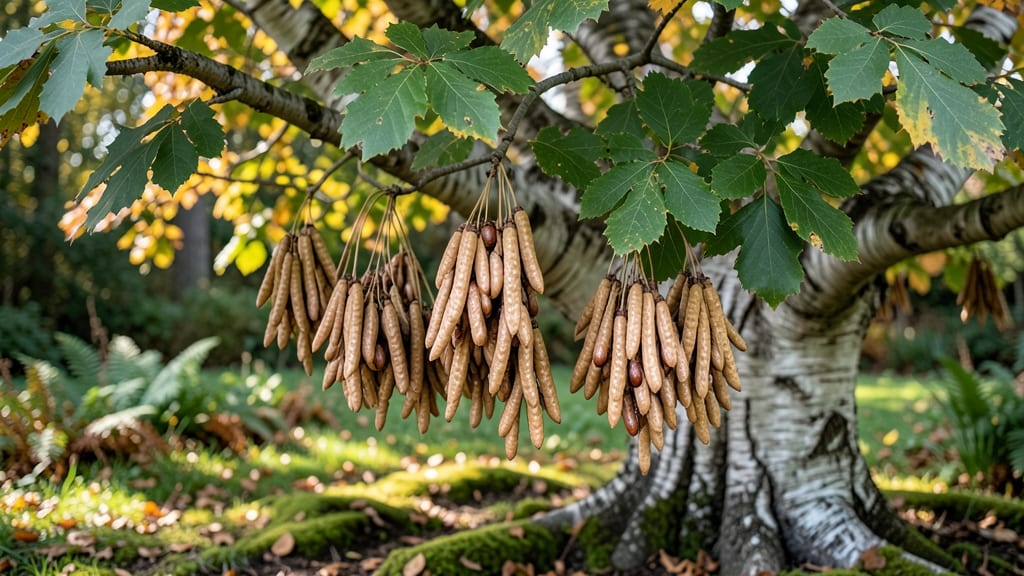
Harvesting beech seed pods in fall means free trees for your future forest—no nursery required. 🌱 The key is timing: collect them when they turn brown and open slightly, usually between October and November, before squirrels get too greedy.
I’ve turned my backyard into a mini hardwood grove this way, and the process is simpler than it looks.
You’ll need just a few supplies: thick gloves (those pods are spiky!), a bucket, and a damp paper towel for storage. The seeds need stratification—a fancy term for mimicking winter—to break dormancy.
After collecting, place them in a sealed container in the fridge for 90-120 days before planting. This step is non-negotiable for germination.
Plant the seeds in well-draining soil, about ¼ inch deep, in a sunny spot. Keep the soil moist but not soggy, and expect tiny sprouts in 4-8 weeks.
Young beech seedlings grow slowly at first, so patience pays off—these trees will outlive you and your grandchildren. The first year is all about protecting them from deer and drought.
Common pitfalls? Overwatering (root rot is real) and impatience (they’re not fast growers). But once established, beech trees thrive with almost no care. Next spring, you’ll watch those first leaves unfurl, knowing you grew them from a seed pod you picked yourself. That’s the magic of forest gardening.
📚 In This Guide
- What you need
- Instructions
- Tips and common mistakes
- Wrapping up and next steps
What you need
- ● Beech seed pods: Mature, brown, and slightly fuzzy pods (harvest when they’re fully dry but haven’t split open). Aim for at least 20-30 pods for a good seed yield.
- ○ Gloves (optional but recommended): Heavy-duty gardening gloves to protect your hands from prickly husks and potential allergens.
- ● Large bucket or mesh bag: A sturdy container (preferably with holes for airflow) to collect pods without crushing them.
- ● Pruning shears or small saw: For safely harvesting pods from tall trees (if needed).
- ● Tarp or large sheet: To lay under trees and easily collect fallen pods.
- ● Paper towels or newspaper: For drying and separating seeds from husks.
- ● Small fan or hairdryer (low heat): To speed up drying if pods are damp.
- ● Air-tight storage containers: Glass jars or resealable bags with silica gel packets to keep seeds dry.
- ● Permanent marker & labels: To label containers with the harvest date and location.
- ● Seed viability test kit: To check if your seeds are still good for planting.
- ● Planting trays or pots: For germinating seeds indoors before transplanting.
- ● Compost or potting mix: If you plan to sow seeds immediately.
- ● Camera or notebook: To document pod locations for future reference.
Step-by-Step guide to harvesting beech seed pods
Here's how I collect beech seed pods without stressing the tree or wasting time.
🌿 Step 1: Identify Mature Seed Pods
Look for beech seed pods that have turned a rich, golden-brown color—this usually happens in late fall, around October to November. The pods should open slightly when pressed gently, revealing the glossy, triangular nuts inside. Avoid green pods; they won’t contain viable seeds.
Check the tree’s lower branches first, as these tend to produce the most mature pods. If you’re unsure, tap a pod gently with your fingernail—if it releases nuts easily, it’s ready for harvest. This is the moment that matters: timing ensures you’re collecting seeds at their peak viability.
🪴 Step 2: Gather Pods Without Harming the Tree
Use a small pruning shears or clean scissors to snip the pods directly from the branch. Avoid tearing the branch, which can damage the tree. Collect pods in a breathable container like a mesh bag or paper sack—plastic bags trap moisture and encourage mold.
Work systematically, moving from branch to branch. I like to start at the outer edges and work inward to avoid missing clusters. If you’re harvesting from multiple trees, label each bag with the tree’s location or date. This prevents mix-ups when it’s time to plant.
💧 Step 3: Clean and Dry the Seed Pods
Spread the pods out on a clean, dry surface in a well-ventilated area. Avoid direct sunlight, which can overheat and damage the seeds. Let them dry for 1-2 weeks until the pods are completely brittle—you’ll know they’re ready when they crumble easily between your fingers.
Once dry, gently rub the pods between your hands to release the nuts. Sift through the debris to separate the seeds from chaff. Store the clean nuts in a sealed container, like a glass jar or airtight plastic bag, in a cool, dark place. This preserves their viability for up to 6 months.
⏰ Step 4: Stratify Seeds for Spring Planting
Beech seeds require a cold stratification period to break dormancy. Place the seeds in a damp paper towel, fold it over, and store them in a sealed plastic bag in your refrigerator for 3-4 months. Check the towel occasionally to ensure it stays moist but not soggy.
After stratification, plant the seeds in a well-draining potting mix at a depth of ½ inch. Keep the soil consistently moist and place the container in a shaded area until germination, which typically occurs in 4-8 weeks. This step ensures strong, healthy seedlings ready for transplanting in spring.
☀️ Step 5: Transplant Seedlings Outdoors
Once seedlings have developed 2-3 sets of true leaves and are at least 4 inches tall, they’re ready for outdoor planting. Choose a location with partial shade and well-draining soil. Dig a hole slightly larger than the seedling’s root ball and place it in gently, firming the soil around the base.
Water deeply after transplanting to help settle the soil and encourage root growth. Mulch around the base with a thin layer of organic matter, like wood chips, to retain moisture and suppress weeds. Beech seedlings grow slowly, so patience is key—give them time to establish before expecting significant growth.
Tips & tricks for perfect beech seed pod harvesting
Here's what I've learned after years of collecting beech seed pods—these tricks make all the difference between a successful harvest and wasted effort.
Timing is Everything: The golden-brown color in Step 1 is your best indicator, but don't rely solely on the calendar. If you're harvesting in a particularly warm fall, pods may mature earlier. Test a few pods by tapping them—if they release nuts easily, they're ready. I've missed harvests by waiting too long, only to find the pods had already opened naturally and scattered seeds on the ground.
Tree-Friendly Harvesting: In Step 2, using clean pruning shears is worth the investment. I used scissors for years, but they often left ragged cuts that stressed the tree. A good pair of pruners makes the job faster and more precise. Also, work during dry weather—wet pods are heavier and more difficult to handle, plus they're prone to mold if stored improperly.
Drying Strategy: The 1-2 week drying period in Step 3 is non-negotiable, but here's my secret: spread the pods on a screen or wire rack instead of directly on a surface. This allows air to circulate on all sides, speeding up the drying process. I've had batches take up to 3 weeks when dried on a hard surface, but with proper airflow, I'm usually done in 7-10 days. Just avoid direct sunlight—it can cook the seeds before they're properly dried.
Stratification Hack: For Step 4, I've found that placing the damp paper towel with seeds in a sealed container with a small amount of water at the bottom (not touching the towel) creates a more consistent moisture level. This prevents the towel from drying out between checks. Also, label your containers with the date—3-4 months can fly by, and you don't want to forget your seeds in the back of the fridge!
Pro Tips for Beech Seed Pods
- Here's what I've learned after years of collecting beech seed pods—these tricks make all the difference between a suc...
- Timing is Everything: The golden-brown color in Step 1 is your best indicator, but don't rely solely on the calendar....
- Tree-Friendly Harvesting: In Step 2, using clean pruning shears is worth the investment. I used scissors for years, b...
Frequently asked questions
Got questions about beech seed pods?
You’re not alone! Here are some of the most common inquiries—and their answers—to help you navigate harvesting, storage, and everything in between.
When is the best time to collect beech seed pods?
Harvest beech seed pods in late fall to early winter (November–January), once they’ve turned light brown and open slightly. Avoid collecting them too early—they won’t be fully mature, or too late, as they may drop naturally or sprout prematurely. Aim for a crisp, dry day to make handling easier!
How do I know if the seed pods are ripe and ready to harvest?
Ripe beech seed pods should be light brown or tan, slightly dry to the touch, and not green. Gently press one—if it opens easily and releases seeds, it’s ready. Avoid pods that are still hard or closed tight; they need more time on the tree. Pro tip: Tap a pod against your palm—ripe ones will rattle!
Can I plant beech seeds directly from the pod, or do I need to extract them?
You can plant seeds with or without the pod, but extracting them first gives them a slight edge. If planting in the pod, ensure it’s intact and place it in well-drained soil. For better germination, remove seeds by gently crushing the pod and sifting out the nuts. Store extracted seeds in a cool, dry place until spring planting.
Are beech seed pods safe for wildlife, or will squirrels/animals steal them?
Beech seed pods are a natural food source for squirrels, deer, and birds, so expect some wildlife interest! To minimize theft, harvest pods early in the morning or late in the evening when animals are less active. If squirrels are a persistent problem, consider scattering seeds in multiple small areas rather than one large pile.
How should I store harvested beech seed pods for planting next year?
Store pods in a cool (35–40°F), dry place like a refrigerator or seed vault. Place them in a breathable container (like a paper bag or mesh sack) to prevent mold. Avoid plastic bags—they trap moisture and can cause rot. Check periodically for signs of spoilage (musty smell, mold) and replant as soon as possible for best results.
What’s the best way to troubleshoot if my beech seeds aren’t germinating?
If seeds aren’t sprouting, try these fixes:
- Stratification: Beech seeds often need a cold period. Place them in a moist paper towel in the fridge for 2–3 months before planting.
- Depth: Plant seeds ½ inch deep—too shallow, and they’ll dry out; too deep, and they may rot.
- Moisture: Keep soil consistently moist (not soggy) during germination. A humidity dome or plastic wrap can help.
- Patience: Beech seeds can take 6–12 weeks to sprout—don’t give up too soon!
Wrapping up and next steps
Beech seed pods are nature’s way of ensuring the next generation of forest giants thrives—and with the right know-how, you can play a part! 🌱 Whether you’re a gardener, landscaper, or simply a nature enthusiast, harvesting these pods is a rewarding way to support local ecosystems. Take that first step this fall: scout your trees, gather your tools, and turn this simple task into a meaningful contribution to your backyard’s future.
Ready to dive in? Start small—even a handful of pods can make a difference!