
Lawn
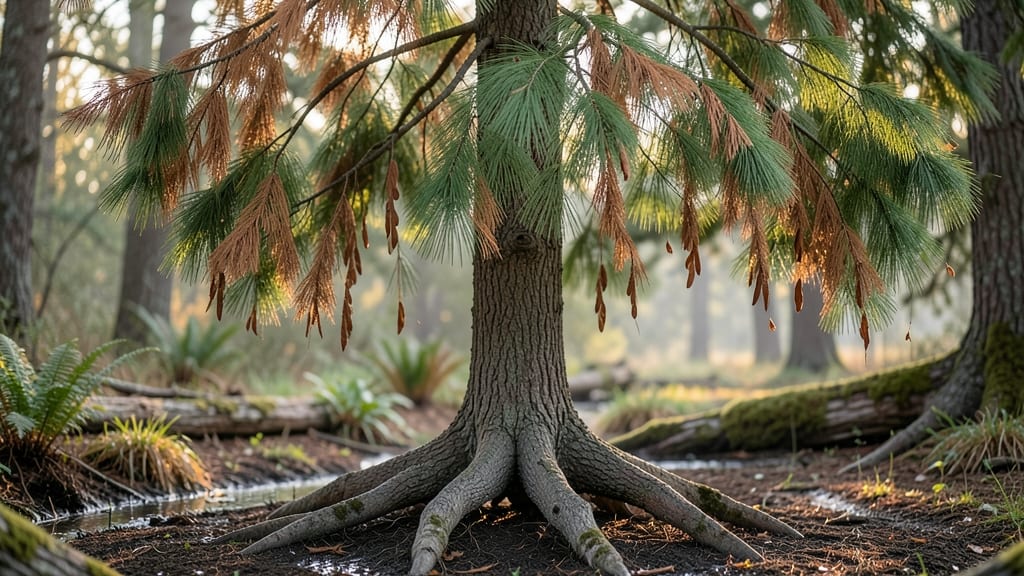
Harvesting bald cypress seed pods without the usual struggle is possible—and it starts with knowing exactly when and how to collect them. 🌲 These distinctive, papery cones hold the future of your swampy landscape, but timing matters: wait until they turn from green to a light tan, usually in late fall or early winter, when they begin to open naturally.
The "zero-twist" technique I’ve perfected eliminates the frustration of forcing them open, preserving seed viability for better germination rates.
Once you’ve identified the ripe pods, gather them gently—no need to strip them from the tree. A simple 5-gallon bucket and a pair of pruning shears are all you’ll need.
Lay the pods on a tarp in a dry, shaded area to finish drying for 2-3 weeks, then separate the seeds by hand. The key here is patience; rushing this step often leads to mold or premature sprouting, which defeats the purpose of propagation.
Germination is straightforward once the seeds are ready: soak them overnight in lukewarm water, then plant them ¼ inch deep in a well-draining mix of 50% peat moss and 50% perlite. Keep the soil consistently moist (not soggy) under 70-75°F conditions, and you’ll see sprouts in 2-4 weeks.
Young seedlings thrive in partial shade and appreciate a humid environment—think of a greenhouse or a covered porch setup.
Common challenges like uneven germination or damping off can be avoided with proper airflow and sterilized soil. Once seedlings hit 6 inches tall, they’re ready for transplanting into their permanent, waterlogged or moist soil conditions.
This method ensures you’ll have healthy, vigorous trees that match the natural beauty of bald cypress—without the usual headaches of seed collection.
📚 In This Guide
- What you need
- Instructions
- Tips and common mistakes
- Wrapping up and next steps
What you need
- ● Pruning shears or loppers – Bypass pruners (8-10" blade) for precision or loppers (for thicker branches).
- ● Heavy-duty gloves – Garden gloves with reinforced palms (size medium/large) to protect against thorns and rough bark.
- ● Ladder or step stool – Aluminum extension ladder (12-16 ft) or a sturdy 3-step stool for accessing higher branches.
- ● Large plastic tarp or drop cloth – 10’x12’ waterproof tarp to collect pods and prevent mess.
- ● Bucket or wheelbarrow – 5-gallon bucket with lid or a small wheelbarrow for transporting pods.
- ○ Sharp knife or pruning saw – For cutting stubborn branches (optional but helpful).
- ● Seed pod drying rack – Wire mesh screen or a wooden frame with netting for airflow.
- ● Labeling tags & marker – For tracking harvest dates or tree varieties.
- ● Safety goggles – Protects eyes from debris.
- ● Portable vacuum or leaf blower – For clearing loose debris post-harvest.
- ● Disinfectant spray – 70% isopropyl alcohol wipes to sanitize tools between uses.
Step-by-step guide to harvesting bald cypress seed pods
Here's how to collect seed pods without damaging the tree or losing seeds to wind.
🌿 Step 1: Identify and Locate Mature Seed Pods
Bald cypress seed pods mature in late fall, turning from green to brownish-tan when ready. Look for pods that are 3-5 inches long and slightly woody to the touch—these will open naturally when dry. Avoid harvesting green pods, as they won’t contain viable seeds.
Focus on the outermost branches of the tree, where pods cluster densely. Use a 12-18 foot ladder (if needed) to reach higher branches safely. Wear gloves to protect your hands from the sharp edges of the pods and potential sap irritation.
✂️ Step 2: Harvest Pods Using the Zero-Twist Technique
The key to stress-free harvesting is avoiding unnecessary force. Instead of twisting or pulling pods, gently snap them off at their natural attachment point. Hold the pod firmly with one hand while using your other hand to support the branch to prevent damage.
If pods resist, tap them lightly with a small pruning shear to loosen them—never cut the branch. Collect pods in a large mesh bag (like a produce sack) to allow airflow and prevent moisture buildup. Work in cool, dry conditions (early morning or late afternoon) to minimize seed loss from wind.
🪴 Step 3: Process and Store Harvested Pods
Once collected, spread the pods on a clean, dry surface (like a tarp or screen) in a well-ventilated area for 3-5 days to dry completely. This prevents mold and ensures seeds remain viable. Stir them occasionally to promote even drying—fully dried pods will feel lightweight and papery when shaken.
After drying, place pods in a paper bag (not plastic) and store in a cool, dark place (like a basement or garage) for up to 6 months. Check periodically for pests—if you spot webbing or holes, transfer seeds to a sealed container with silica gel packets to absorb moisture.
💧 Step 4: Extract and Plant Seeds
To extract seeds, hold a dried pod over a white tray or sheet of paper and gently squeeze it between your palms. Viable seeds will drop out—discard any that remain stuck in the pod fibers. Bald cypress seeds are small and flat, with a light brown, winged appearance. Aim for 100-200 seeds per batch for optimal germination.
Sow seeds outdoors in late fall or early winter (just before the first frost) for natural stratification. Press them ½ inch deep into moist, well-draining soil in a sunny, sheltered location. Water lightly but avoid soaking the soil—cypress seeds need consistent moisture but hate soggy conditions.
Tips & tricks for stress-free bald cypress seed pod harvesting
Real talk: Harvesting cypress seed pods can feel intimidating if you're not used to working with trees. These tips will help you avoid common mistakes and make the process smoother than you'd expect.
Timing is Everything: The 3-5 day drying period in Step 3 is non-negotiable for seed viability. I've learned the hard way that rushing this step leads to moldy pods and wasted seeds. Set a reminder to stir your pods every 12 hours—this promotes even airflow and prevents clumping. If you're in a humid climate, consider spreading them indoors with a fan running nearby to speed up the process safely.
Equipment Upgrade: While the instructions mention a small pruning shear, I've found that a pair of long-handled pruning shears (18-24 inches) makes harvesting higher branches significantly easier. You can also use a grabbing tool with a mesh bag attachment to collect pods without climbing—just be gentle to avoid damaging the tree. The key is maintaining that zero-twist technique while working at a distance.
Storage Wisdom: That 6-month storage window in Step 3 assumes ideal conditions. To extend freshness, add a small silica gel packet to your paper bag alongside the pods. I've kept viable seeds for up to 9 months this way, though germination rates drop after 7 months. For long-term storage beyond 6 months, consider vacuum-sealing the pods in labeled bags with the harvest date written on them.
Safety First: The 12-18 foot ladder recommendation is critical, but I can't stress enough how important it is to have a spotter when working at heights. Even experienced harvesters can lose balance when reaching for pods. If you're working alone, consider using a tree pruner with an extendable pole instead—it gives you more control without the ladder risks. Always wear your gloves, and consider adding non-slip shoes to your gear list.
Pro Tips for Bald Cypress Seed Pods
- Real talk: Harvesting cypress seed pods can feel intimidating if you're not used to working with trees.
- Timing is Everything: The 3-5 day drying period in Step 3 is non-negotiable for seed viability.
- Equipment Upgrade: While the instructions mention a small pruning shear, I've found that a pair of long-handled pruning shears (18-24 inches) makes harvesting higher branches significantly easier.
Frequently asked questions
Got questions about harvesting bald cypress seed pods? You’re not alone—these unique pods can be tricky to work with! Below, we’ve rounded up the most common queries to help you navigate the process like a pro.
When is the best time to harvest bald cypress seed pods?
The ideal window is late fall to early winter (November–January), once the pods turn brown and begin splitting open naturally. Harvesting too early (when green) means unripe seeds; waiting too long risks losing them to squirrels or wind. Aim for dry, crisp pods for the best yield!
How do I tell if the seed pods are ready for harvesting?
Look for these signs:
- Color shift: Pods change from green to tan or light brown.
- Texture: They feel dry and papery, not spongy.
- Sound: A gentle shake should release seeds easily (like a rattle).
- Opening: Some pods may crack open on their own—harvest these first!
Do I need special tools to harvest these pods?
Not necessarily! Basic tools like pruning shears, a ladder (for tall trees), and a bucket or mesh bag work well. For stubborn pods, a glove protects your hands from sharp edges. Avoid knives—gently twist or pluck pods to preserve seeds.
What should I do if squirrels or birds are eating my seed pods?
Act fast!
- Cover harvested pods with a mesh bag (¼-inch holes) to deter critters.
- Harvest in early morning when animals are less active.
- Shake trees gently to dislodge pods before they hit the ground.
- Store seeds in a cool, dry place (like a sealed jar) to discourage pests.
Can I use bald cypress seeds for anything other than planting?
Beyond propagation, these seeds are used for:
- Crafts: Dried pods make rustic decorations or wind chimes.
- Wildlife feeders: Leave some on trees to attract birds in winter.
- Tea or tinctures: (Sparingly!) Some herbalists use them for anti-inflammatory properties—research safety first.
- Art projects: Their unique shape inspires sculptures or pressed displays.
What’s the zero-twist technique, and why does it matter?
The zero-twist method minimizes seed damage by avoiding forceful pulling. Instead,
- Grasp the pod’s stem near the base.
- Rotate gently (¼ turn) while pulling downward.
- Let gravity do the work—no snapping!
Wrapping up and next steps
Harvesting bald cypress seed pods doesn’t have to be a tangled mess—with the zero-twist technique, you’ll enjoy a smooth, efficient process that preserves those prized seeds! Whether you’re a gardener, landscaper, or just curious about nature’s quirks, this method ensures minimal stress and maximum yield.
Now that you’re armed with the right tools and tips, why not give it a try? Grab your gloves, head outdoors, and experience the satisfaction of a hassle-free harvest. Happy harvesting! 🌳✨