
Lawn
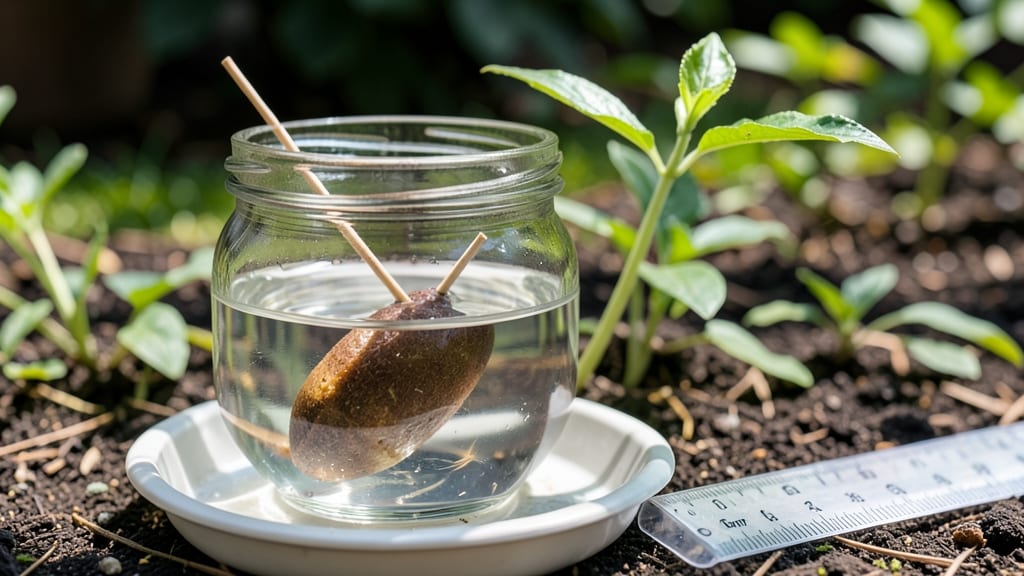
Growing an avocado tree from a seed in water is one of those gardening projects that feels like magic—until you see the roots stretching toward the light. 🌱 The secret to success isn’t just patience; it’s understanding how cold stratification and consistent care turn a simple seed into a thriving plant.
I’ve sprouted dozens this way, and the key difference between success and failure comes down to three things: seed selection, water management, and knowing when to move it to soil.
Start with a fresh, organic avocado pit—no store-bought seeds here. Rinse it clean, then insert three toothpicks around the middle to suspend it above a glass of water. Keep the bottom third submerged, and change the water every 3-4 days to prevent mold.
Within 2-8 weeks, you’ll spot roots, but don’t rush to transplant yet. The real test is waiting for a 4-6 inch root system before introducing soil.
Once roots are established, transition the seedling to a pot with well-draining soil mix. Keep it in bright, indirect light and maintain 60-70°F temperatures. The first leaves will appear in 4-6 weeks, signaling it’s ready for the next growth phase.
Cold stratification during this early stage ensures stronger roots and better survival rates—no more leggy, weak seedlings.
This method works year-round, but spring planting gives seedlings a head start before summer heat. Troubleshoot slow growth by checking light exposure and water quality—chlorine or hard water can stunt root development.
With the right care, your seedling could grow into a 50-foot tree, though dwarf varieties stay manageable. Here’s how to keep it thriving past the first year.
📚 In This Guide
- What you need
- Instructions
- Tips and common mistakes
- Wrapping up and next steps
What you need
- ● 1 fresh avocado pit – Choose a seed from a ripe, organic avocado (the larger, the better for easier handling).
- ● 1 glass or jar – A clean, transparent container (8–16 oz) with a mouth wide enough to fit the seed.
- ● Toothpicks or small skewers (3–4) – For suspending the seed above water.
- ● Filtered or room-temperature water – Enough to cover about 1–2 inches of the seed’s bottom.
- ● Plastic wrap or a lid – To cover the jar and maintain humidity.
- ● Patience! 😉 – Root growth can take 2–6 weeks, depending on conditions.
- ● Thermometer – To monitor water temperature (ideal: 65–75°F).
- ● Spray bottle – For misting the seed if the air feels too dry.
- ● Grow light or sunny windowsill – Once roots sprout, indirect light helps early growth.
- ● Notebook & pen – To track progress (root length, water changes, etc.).
- ● Small pot & potting mix – For transplanting once roots are 2–3 inches long.
Step-by-step instructions for germinating avocado seeds with cold stratification
Here's the foolproof method I've used to coax roots from stubborn avocado pits—no fancy tools, just patience and science.
🌱 Step 1: Prepare the Pit and Submerge in Water
Start by carefully removing the pit from a fresh avocado, being careful not to damage the outer shell. I like to use a spoon to gently scrape away the fruit flesh until only the pit remains. Rinse it under cool water to remove any lingering pulp.
Place three or four toothpicks around the pit's equator, spacing them evenly. The toothpicks should be positioned so they'll support the pit when it's partially submerged. This is where most people mess up—don't bury the top half of the pit. You want the bottom third submerged in water while keeping the top two-thirds exposed to air.
Fill a glass or jar with enough water to cover the bottom third of the pit. Use room-temperature water, not cold straight from the tap. The pit will naturally float, so adjust the water level as needed to maintain that 1/3 submerged ratio. Change the water every 2-3 days to prevent bacterial growth.
💧 Step 2: Maintain Consistent Moisture and Warmth
Place your avocado pit in a location with warmth and indirect light. A kitchen counter near a sunny window works well, but avoid direct sunlight which can overheat the water. The ideal temperature range is 65-75°F—any cooler and germination slows dramatically.
Watch for condensation forming on the outside of the glass. This is normal and indicates proper humidity levels. If you notice the water level dropping significantly between changes, top it off with fresh water. The key here is consistency—never let the pit dry out, but don't drown it either.
After about 2-4 weeks, you should see small white roots emerging from the bottom of the pit. These roots will grow quickly at first, then slow as they mature. This is where cold stratification comes into play—once roots reach about 2-3 inches, it's time to move to the next phase.
❄️ Step 3: Apply Cold Stratification for Stronger Growth
When your roots reach 2-3 inches, transfer the pit to the refrigerator. Place it in a plastic bag with a damp paper towel to maintain moisture, then seal it loosely. The goal is to keep the pit at 35-40°F for 2-4 weeks—this cold treatment mimics winter conditions and breaks dormancy more effectively.
I store mine on the crisper drawer shelf where temperatures stay consistent. Check the pit weekly to ensure the paper towel remains damp but not soggy. The cold stratification period is critical—it prevents the seed from growing too quickly once you return it to room temperature, which often leads to weak, leggy growth.
After 2-4 weeks in cold storage, remove the pit and return it to your warm, well-lit location. Within 1-2 weeks, you should see significant new root growth and possibly even a small sprout emerging from the top. This is your signal that the seed has successfully completed stratification.
🌿 Step 4: Transition to Soil and Light
Once you have 4-6 inches of roots and a visible sprout, it's time to plant. Fill a small pot with well-draining potting mix—avocado seedlings hate soggy roots. I use a 6-inch pot for my first transplant, which gives plenty of room while keeping the seedling manageable.
Create a hole in the center of the pot and carefully place the avocado pit with the roots submerged in the soil. The top of the pit should remain above soil level. Press gently around the base to secure it, then water thoroughly until water runs from the drainage hole. After planting, place the pot in bright, indirect light for 1-2 weeks to help it acclimate.
Keep the soil consistently moist but not waterlogged. You'll know you're doing it right when you see new leaves emerging from the top of the pit. This is where most people give up—be patient. Avocado seedlings grow slowly at first, but they'll reward your persistence with lush, tropical foliage.
Tips & tricks for perfect avocado seed germination
These science-backed strategies will help you avoid the most common pitfalls and maximize your chances of success with avocado seed germination.
Toothpick Placement Precision: Position those toothpicks absolutely evenly around the pit's equator—this prevents the pit from tilting and ensures proper water coverage. I've seen people use only two toothpicks, which causes uneven floating and inconsistent root growth. Three or four evenly spaced toothpicks create that perfect 1/3 submerged ratio every time. The key is making them parallel to the water surface rather than sticking straight up.
Water Quality Matters: Use filtered or distilled water if possible, especially if your tap water has high chlorine or mineral content. I've noticed that regular tap water can sometimes cause the roots to grow slower or develop a slight yellowish tint. Changing the water every 2-3 days isn't just about preventing bacteria—it's about maintaining optimal oxygen levels for root development. Room temperature is crucial too; cold water straight from the tap can shock the seed and inhibit germination.
Cold Stratification Timing: The 2-4 weeks in cold storage might seem like a wide range, but there's actually a science to it. Most avocado seeds need about 3 weeks at 35-40°F to complete their dormancy cycle. If you're impatient, you can check weekly—when the roots show signs of slowing growth (becoming less white and more woody), that's your cue to bring it back to warm conditions. The refrigerator's crisper drawer maintains the most consistent temperature, but avoid the door where temps fluctuate dramatically.
Light Transition Strategy: When moving your stratified seedling back to warm conditions, place it in bright but indirect light for the first week. Direct sunlight can cause rapid growth that leads to weak stems. I've found that a north-facing window or a grow light positioned 12 inches away works best. The condensation you'll see on the glass during this transition is normal—it's the plant's way of telling you it's happy with the humidity levels.
Pro Tips for Avocado Seed In Water
- These science-backed strategies will help you avoid the most common pitfalls and maximize your chances of success with avocado seed germination.
- Toothpick Placement Precision: Position those toothpicks absolutely evenly around the pit's equator—this prevents the pit from tilting and ensures proper water coverage.
- Water Quality Matters: Use filtered or distilled water if possible, especially if your tap water has high chlorine or mineral content.
Frequently asked questions
Got questions about growing avocado seeds in water? You’re not alone—this method sparks curiosity! Below, we’ve rounded up the most common queries to help you navigate the process with confidence.
How long does it take for an avocado seed to sprout roots in water?
Most avocado seeds (like Hass or Fuerte varieties) show tiny root hairs in 2–4 weeks, with noticeable roots (1–3 inches long) in 4–8 weeks. Patience is key—keep the seed half-submerged in fresh water and avoid disturbing it. If roots stall after 8 weeks, try adjusting the water temperature (65–75°F) or adding a pinch of cinnamon to prevent mold.
Can I speed up root growth with anything?
While you can’t rush nature, a few tweaks may help! Try these science-backed tips:
- Warm water: Use 70–75°F water (slightly warmer than room temp) to stimulate root activity.
- Indirect sunlight: Place the jar near a bright window (not direct sun) to encourage photosynthesis in the seed.
- Rooting hormone: Dip the seed in natural rooting hormone (like willow water or aloe vera gel) before submerging.
- Change water every 2–3 days: Stagnant water breeds bacteria, slowing growth.
What if my avocado seed rots or smells bad?
A foul odor or mushy seed means root rot—act fast! Here’s how to fix it:
- Rinse immediately in clean water and trim any soft, blackened areas with sterilized scissors.
- Dry the seed for 10–15 minutes before re-submerging it in fresh, chlorine-free water.
- Add cinnamon (½ tsp per jar) as a natural antifungal.
- Reduce water level—only the bottom ¼ inch should be submerged.
Should I plant the seed in soil once it has roots?
Yes! Once roots reach 2–3 inches, it’s time to transition to soil. Here’s how:
- Gently pat dry the roots with a paper towel to prevent shock.
- Fill a small pot (4–6 inches deep) with well-draining potting mix (add perlite or sand for aeration).
- Plant the seed so the root ball is just below the soil line—don’t bury the top.
- Water lightly and place in bright, indirect light.
Can I grow an avocado tree from any seed, or does it matter?
Technically, yes—any avocado seed will sprout, but results vary! Store-bought seeds (like Hass) are more reliable because they’re bred for consistency. Wild or heirloom seeds may grow slower or produce smaller, less flavorful fruit. If you want a fruit-bearing tree, graft a scion onto your seedling later—but that’s an advanced step! For most gardeners, the fun is in watching the journey, not the end result.
Wrapping up and next steps
Growing an avocado tree from seed in water is a rewarding journey that blends patience, science, and a touch of green thumbsmanship. By mastering cold stratification and nurturing those delicate roots, you’re not just sprouting a plant—you’re cultivating a potential century-old tree with minimal effort.
Ready to watch your tiny seedling transform into a lush, leafy companion? Start today—place that seed in water, embrace the wait, and soon, you’ll be tending to a thriving avocado sapling that’s all yours! 🌱✨