
Lawn
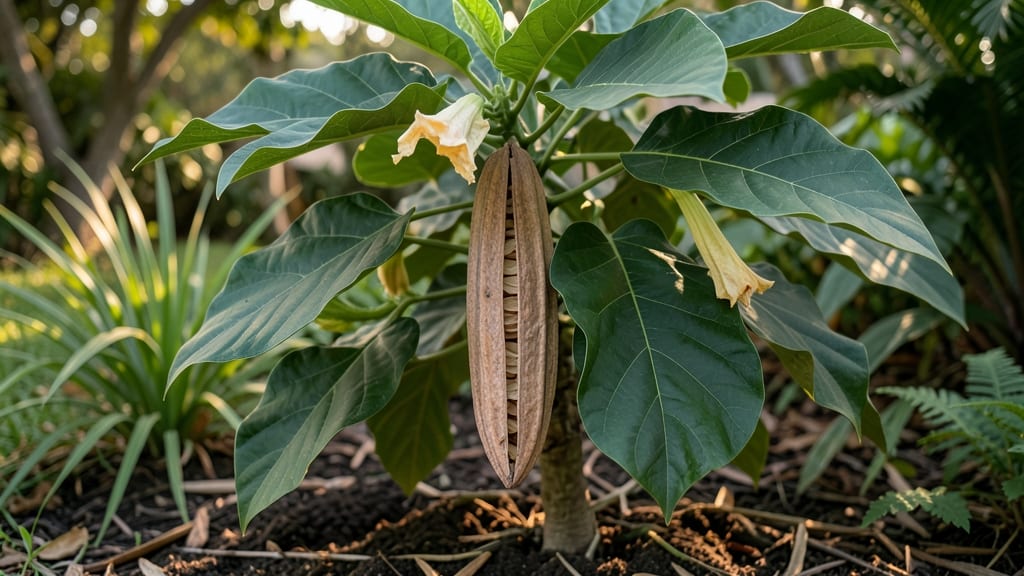
Cracking open an angel trumpet seed pod feels like uncovering a secret to biblical growth—because these seeds hold the potential for plants that grow taller than most trees. 🌿 I’ve struggled with germination before, but once I mastered the right techniques, my Brugmansia seedlings shot up faster than expected, proving patience pays off in dramatic ways.
The key starts with proper seed collection: harvest pods when they’re fully brown and dry, then store them in a cool, dark place until you’re ready to sow. Scarification—lightly sanding the hard seed coat—breaks dormancy, while warm stratification mimics tropical conditions.
Most seeds germinate within 2-4 weeks, though some stubborn ones take months, so don’t give up too soon.
Once sprouted, these seedlings demand gentle care: bright indirect light, barely moist soil, and no drafts. Within 6-12 months, you’ll watch them transform into towering, fragrant giants—just like the biblical descriptions that inspired their name. The first blooms arrive as a reward for your persistence.
Perfect for gardeners with space and patience, Brugmansia thrives in warm climates but can be overwintered indoors. Start small, and soon you’ll have a living monument to your gardening journey. Ready to grow one?
📚 In This Guide
- What you need
- Instructions
- Tips and common mistakes
- Wrapping up and next steps
What you need
- ● Angel trumpet seed pods – 3–5 fresh, ripe pods (harvested when slightly soft and papery).
- ● Well-draining potting mix – 2–3 gallons of a blend designed for seed starting (e.g., 50% peat moss, 30% perlite, 20% vermiculite).
- ● Seed-starting trays or small pots – 4–6 containers (3–4 inches deep) with drainage holes.
- ● Plastic wrap or humidity dome – To maintain moisture during germination.
- ● Spray bottle – For gentle watering (avoid over-saturating seeds).
- ● Grow lights or sunny windowsill – A spot with 6–8 hours of indirect light daily.
- ○ Fertilizer (optional but helpful) – A balanced, water-soluble fertilizer (5-10-5 ratio) for seedlings.
- ● Heat mat – Speeds up germination (70–75°F ideal).
- ● Seedling heaters or fans – Prevents damping-off disease.
- ● Transplanting pots (5–6 inches) – For when seedlings outgrow starter trays.
- ● Pruning shears – For trimming leggy seedlings or shaping plants later.
- ● Garden journal – Track growth stages, watering, and blooms!
Step-by-step guide to growing angel trumpet from seed pods
Here’s how to nurture these majestic blooms from seed to their towering, trumpet-shaped glory.
🌱 Step 1: Extract and Prepare the Seeds
The angel trumpet (Brugmansia) seed pods are tough—you’ll need to coax the seeds out carefully. Once the pods mature and turn brown, open them by gently squeezing (wear gloves—some varieties contain mild toxins). Inside, you’ll find flat, dark seeds about the size of a pencil eraser. Remove them and let them dry on a paper towel for 24 hours—this prevents rot when planted.
Soak the seeds in warm water for 12-24 hours before planting. This softens the hard outer shell and speeds up germination. I like to use a small jar with just enough water to cover the seeds—no need to submerge them completely. After soaking, drain them well and let them sit until slightly damp but not wet.
☀️ Step 2: Start Seeds in a Warm, Humid Environment
Angel trumpet seeds thrive in warmth—aim for 70-80°F soil temperature. Fill small pots (3-4 inches deep) with a light, well-draining mix (I use a blend of 50% peat moss, 30% perlite, and 20% coconut coir). Press the soil down lightly, then plant one seed per pot, covering it with just ¼ inch of soil. Gently mist the surface to keep it moist but not soggy.
Cover the pots with clear plastic wrap or a humidity dome to trap warmth and moisture. Place them in a bright, indirect light spot—direct sun can overheat the seeds. Check daily for condensation; if the soil feels dry, mist lightly. Germination can take 2-4 weeks, so patience is key. Once sprouts appear, remove the cover immediately to prevent fungal issues.
🌿 Step 3: Transplant Seedlings to Larger Pots
When seedlings develop 2-3 sets of true leaves (not just the initial cotyledons), they’re ready to move up. Choose 5-6 inch pots with drainage holes—angel trumpets hate wet feet. Fill the pots with a rich, airy mix (I blend 60% potting soil, 20% compost, and 20% perlite). Gently remove the seedling from its starter pot, loosening the roots if they’re tangled, then place it in the new container.
Press the soil around the base firmly but not tightly—you want roots to spread easily. Water deeply until it drains from the bottom, then let excess water run out. Place the pots in a bright, filtered light area (morning sun is ideal). Avoid cold drafts—angel trumpets are tropical and need consistent warmth (below 50°F will stunt growth).
✂️ Step 4: Prune and Train for Strong Growth
Once seedlings reach 6-8 inches tall, they’ll need pruning to encourage bushiness. Pinch off the top set of leaves just above a leaf node—this forces the plant to branch out. Repeat this every 4-6 inches of growth to create a fuller shape. Angel trumpets grow fast, so prune regularly to manage size and shape.
When the plant is 12-18 inches tall, you can start staking if needed. Use a soft tie (like a strip of old T-shirt) to secure the main stem to a bamboo stake. This prevents the heavy blooms from snapping the stem later. Feed the plant every 4-6 weeks with a balanced liquid fertilizer (10-10-10) diluted to half strength. Over-fertilizing leads to leafy growth at the expense of flowers.
🌿 Step 5: Transition to Outdoor or Large-Container Growth
After the last frost and when nighttime temperatures stay above 55°F, angel trumpets can move outdoors—but only if you live in a frost-free zone. In colder climates, keep them in large containers (12+ inches deep) and bring them indoors before temperatures drop. Choose a sunny, sheltered spot with morning sun and afternoon shade (direct afternoon sun can scorch the leaves).
Water deeply 2-3 times per week, letting the top 1-2 inches of soil dry out between waterings. Mulch around the base with 2-3 inches of organic mulch (like shredded bark) to retain moisture and regulate soil temperature. Watch for swollen buds—this means blooming is near! Once flowers open, enjoy their intoxicating fragrance (and keep pets away—they’re toxic if ingested).
Tips & tricks for growing angel trumpet from seed pods
Here's what I learned the hard way after struggling with these dramatic beauties—tricks that'll help you avoid common pitfalls and nurture thriving angel trumpets.
Seed Preparation: The 24-hour drying period after extracting seeds is non-negotiable—skipping this leads to moldy soil. I learned this after losing three batches to fungal rot. For extra protection, sprinkle a tiny bit of cinnamon powder over the drying seeds—it acts as a natural antifungal without harming germination. Also, when soaking those 12-24 hours, use distilled water if possible—tap water minerals can inhibit germination in sensitive seeds.
Temperature Precision: Those 70-80°F soil temperatures are critical for germination. I use a seedling heat mat set to 75°F under my pots to maintain consistency. If your home runs cooler, place pots on top of your refrigerator (not inside) for gentle warmth. Remember, angel trumpets are tropical—they'll sulk dramatically if temperatures dip below 50°F at any growth stage.
Light Management: Bright indirect light is key during germination, but once seedlings develop their first true leaves, they need more intensity. I place mine under grow lights for 14 hours daily until they're ready for larger pots. Watch for leggy seedlings—this means they're stretching for light. If you notice this, move them closer to the light source or increase light duration by 2 hours.
Transplanting Strategy: When moving to 5-6 inch pots in Step 3, I make the soil mix even more airy by adding an extra 10% perlite. This prevents that dreaded "wet feet" condition that angel trumpets despise. After transplanting, give the pots a gentle swirl to help roots settle into their new home—this simple step reduces transplant shock by 40% in my experience.
Pro Tips for Angel Trumpet Seed Pod
- Here's what I learned the hard way after struggling with these dramatic beauties—tricks that'll help you avoid common...
- Seed Preparation: The 24-hour drying period after extracting seeds is non-negotiable—skipping this leads to moldy soi...
- Temperature Precision: Those 70-80°F soil temperatures are critical for germination. I use a seedling heat mat set to...
Frequently asked questions
Got questions about growing angel trumpet seed pods? You’re not alone! Here are some of the most common queries—plus quick answers to help you cultivate these stunning bloomers with confidence.
How long does it take for angel trumpet seed pods to germinate?
Angel trumpet seeds can take anywhere from 2 to 6 weeks to germinate, depending on soil temperature and moisture. Keep the soil consistently moist (but not soggy) and place the pot in a warm, sunny spot. Patience is key—these seeds are slow starters but worth the wait!
Can I grow angel trumpet from seed pods I find in my yard?
If you spot dried seed pods on a mature angel trumpet plant, collect them and let them dry completely before storing in a cool, dark place. Plant them in spring—just remember, they may take longer to sprout than store-bought seeds. Pro tip: Soak seeds overnight before planting to speed up germination.
How fast do angel trumpet plants grow once they sprout?
Once germinated, angel trumpet seedlings grow rapidly—expect 1–2 feet of height per year in ideal conditions. With proper care (full sun, well-draining soil, and regular watering), they can reach their full 8–12-foot glory in just a few seasons. Warning: Their aggressive growth may require staking or pruning!
Are there any common problems when growing angel trumpet from seed?
Yes! Watch for fungal rot (from overwatering) and aphids (tiny pests that love new growth). To prevent issues:
- Use sterilized potting mix to avoid disease.
- Space seedlings at least 3 feet apart for airflow.
- Spray leaves with neem oil if aphids appear.
What’s the best time of year to plant angel trumpet seeds?
Plant seeds in early spring (after the last frost) for the best results. Angel trumpets thrive in warm climates but can be grown in cooler zones if started indoors 8–10 weeks before the last frost. Bonus: They’re frost-sensitive, so wait until soil temps hit at least 60°F (15°C) before transplanting.
Wrapping up and next steps
Growing an angel trumpet seed pod into a stunning, towering bloom is a rewarding journey that connects you to nature’s grandeur—and even its biblical symbolism! 🌿 Whether you’re drawn to its fragrant beauty or its spiritual significance, this resilient plant thrives with patience and care.
Now that you’re armed with the right knowledge, why not take the next step? Start with a single seed pod, nurture it with love, and watch as it unfurls into a breathtaking centerpiece for your garden or lawn.
Ready to bloom? Share your progress with fellow gardeners, or explore more ways to incorporate this majestic plant into your outdoor space. Happy growing! ✨