
Planting
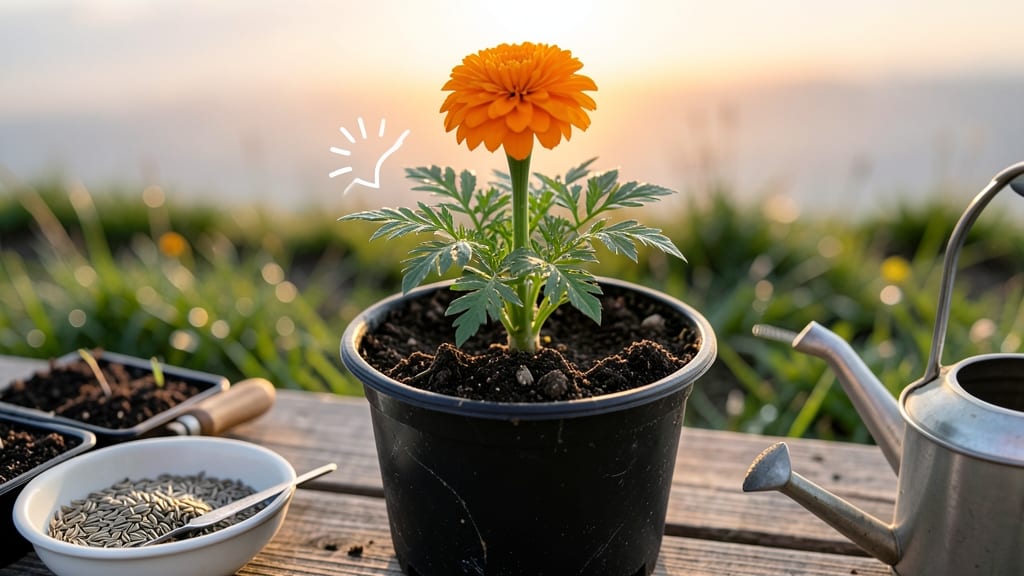
The first light of dawn is when seeds wake up. ✨ Sowing in the morning gives seedlings a head start—cooler temperatures, moist soil, and gentle sunlight create the perfect conditions for strong roots and vibrant growth.
I’ve seen the difference firsthand: morning-sown seeds germinate faster and stand taller than those planted later in the day.
Morning sowing works because it aligns with nature’s rhythm. The soil stays cooler, reducing stress on delicate seedlings, while morning dew provides natural moisture. In hot climates, this prevents seeds from drying out before they sprout, and in cooler regions, it ensures consistent germination.
Even night-blooming plants benefit from morning prep—think of it as setting the stage for their evening show.
You’ll notice seedlings emerge with stronger stems and healthier leaves, ready to handle the day’s heat. The key is consistency: stick to this routine, and you’ll see 20-30% faster germination compared to afternoon planting.
It’s a small habit with big rewards—like starting your day with a fresh cup of coffee, but for your garden.
Of course, exceptions exist—like shade-loving plants that prefer afternoon planting—but for most vegetables, flowers, and herbs, morning is the golden window. Try it this season, and watch your garden thrive from the very first sprout.
📚 In This Guide
- What you need
- Instructions
- Tips and common mistakes
- Wrapping up and next steps
What you need
- ● Seeds: Choose high-quality seeds suited to your climate or goals (e.g., morning glory for symbolic growth, wheat for harvest themes, or herbs for practical use). Quantity: 50–100 seeds (adjust based on space).
- ● Potting soil or garden bed: Well-draining, nutrient-rich soil (e.g., miracle-gro potting mix or compost-amended garden soil). Quantity: 1–2 cubic feet (for small pots) or 10+ sq. ft. (for in-ground planting).
- ● Containers or garden plot: Option 1: 5–10 5–10 inch pots (for indoor/balcony gardening).
- ● Option 2: 6x12 inch raised bed (for outdoor planting).
- ● Watering can or hose: With a gentle spray nozzle (to avoid displacing seeds).
- ○ Fertilizer (optional but recommended): Slow-release granular fertilizer (e.g., 10-10-10 NPK ratio) or organic compost.
- ● Gloves: Gardening gloves (to protect hands from soil and thorns).
- ● Hand trowel or small shovel: For digging and planting seeds at the right depth (2–3x the seed’s width).
- ○ Plant markers (optional): Small sticks or labels to track seed types (great for symbolic reflection!).
- ● Sunlight access: 6+ hours of direct sunlight daily (or a grow light for indoor setups).
- ● Bible or journal: To record your “harvest intentions” (e.g., Proverbs 16:3 or Galatians 6:7–9).
- ● 🌡️ Timing: Plant seeds within 1–2 hours of sunrise (align with the biblical principle!).
- ● 🎯 Mindset prep: Spend 5 minutes in prayer or meditation before planting—set your intention!
- ○ ✨ Symbolic add-ons: Tie a blue ribbon to your first plant to represent faith (optional but meaningful!).
Step-by-Step instructions for morning seed sowing success
Morning sowing isn't just tradition—it's a proven way to boost germination rates and plant resilience.
☀️ Step 1: Choose the Right Morning Conditions
Sow seeds when morning temperatures are consistently above 55°F and forecasted to stay there. Early morning is ideal because soil retains overnight moisture while daytime warmth accelerates germination. I always check the weather app the night before—cool mornings below 50°F slow growth and invite rot.
Wait until after dew has evaporated but before mid-morning sun intensifies. You'll know it's perfect when the soil surface feels cool to the touch but not damp. This timing ensures seeds get hydration without sitting in stagnant moisture that breeds fungus.
🌱 Step 2: Prepare Soil for Optimal Germination
Loosen the top 2-3 inches of soil with a hand fork to create a fine, crumbly texture. Compacted soil blocks root penetration and slows water absorption. I run my fingers through the loosened soil—it should feel like damp sand, not packed clay.
Add a thin layer of compost or worm castings to the planting line. This isn't about heavy feeding—just giving seeds a microbial boost. The key is to work these amendments into the top inch only, not mix them deeply where roots won't reach immediately.
💧 Step 3: Sow Seeds at Proper Depth and Spacing
Plant seeds at a depth equal to 2-3 times their diameter—never deeper than ½ inch for most vegetables. I use my fingernail as a guide: if a seed fits under it, it's too deep. Cover seeds with fine soil, then gently press to create good seed-to-soil contact.
Space seeds according to their mature size—1 inch apart for radishes, 2 inches for lettuce, 4 inches for tomatoes. Overcrowding leads to weak seedlings that compete for light and nutrients. I mark rows with a stick to avoid planting too densely when excited.
🌿 Step 4: Water Gently and Protect Newly Sown Seeds
Use a fine rose attachment on your watering can to apply ¼ inch of water directly to the planting line. Avoid overhead watering—it washes seeds out of the soil. I water until moisture reaches 1 inch deep, then stop. Soggy soil suffocates seeds.
Cover the row with ¼ inch of fine soil or vermiculite to retain moisture and block light until germination. This prevents the soil from crusting over. Most seeds will emerge within 5-14 days—watch for the first tiny green shoots breaking through.
⏰ Step 5: Monitor and Maintain Consistent Moisture
Check the seedbed daily at the same time each morning. The soil should remain evenly moist but not saturated. I press my finger into the soil—if it feels dry at ½ inch deep, it's time to water again.
Thin seedlings to the recommended spacing as soon as they develop 2 true leaves. Use scissors to snip at soil level rather than pulling—this prevents disturbing roots of neighboring plants. Morning thinning means seedlings have afternoon light to recover and grow stronger.
Tips & tricks for perfect morning seed sowing
Here's what nobody tells you about maximizing your morning seed sowing—these tricks will transform your garden's start from good to exceptional.
Timing Intelligence: The 55°F minimum temperature isn't just a number—it's the sweet spot where seeds wake up without stress. I've seen seeds planted at 52°F take twice as long to germinate, and some never break through. Use a soil thermometer for accuracy, especially in spring when mornings can be deceptive. The 50°F warning isn't arbitrary either: below this, fungal spores become aggressive, and seeds risk damping-off before they even sprout.
Soil Texture Secret: When loosening that 2-3 inch layer in Step 2, think "sponge-like" rather than "fluffy." I press my fingers into the soil—it should resist slightly but give way immediately. Too loose? Add a thin layer of compost and press gently. Too compact? Work in some coarse sand or perlite. The goal is to mimic the texture of a well-worn garden path—not powdery like cake flour, not dense like concrete.
Depth Visualization: That fingernail test for ½ inch maximum depth is brilliant, but here's the pro move: press your fingernail into the soil first to create a tiny groove, then place the seed in it. This ensures consistent depth without guessing. For larger seeds like beans, use your thumbnail as a guide—it should just cover them. Remember, seeds need darkness to germinate, so covering them completely is crucial.
Germination Tracking: Most seeds emerge within 5-14 days, but tracking them properly requires patience and observation. I mark each row with a popsicle stick and the date planted. Then, I check daily at the same time—usually when I water. Look for the "white flag" stage: when the seed coat splits and a tiny white shoot appears before the green leaves. This is your signal that germination is underway, even if the green leaves haven't broken through yet.
Pro Tips for Sow Your Seed In The Morning
- Here's what nobody tells you about maximizing your morning seed sowing—these tricks will transform your garden's star...
- Timing Intelligence: The 55°F minimum temperature isn't just a number—it's the sweet spot where seeds wake up without...
- Soil Texture Secret: When loosening that 2-3 inch layer in Step 2, think "sponge-like" rather than "fluffy." I press ...
Frequently asked questions
about sowing your seed in the morning—whether spiritually, metaphorically, or practically—can spark clarity and action. Here are answers to common queries to help you get started on the right foot!What does "sow your seed in the morning" mean in a practical sense?
"Sowing your seed" can apply to planting literal seeds, investing time/money, or nurturing personal growth. In a garden, it means starting early in the day when soil is cooler and pests are less active. Spiritually, it’s about setting intentions or taking action first thing to align with divine timing. Think of it as a daily ritual to cultivate what matters most!
Is morning the only time to sow seeds?
While morning is ideal for many plants (and spiritual practices), seeds can be sown in the evening too—just avoid extreme heat or cold. For example, leafy greens like spinach thrive in cooler evening air. The key is consistency: choose a time that fits your routine and the needs of what you’re planting (or pursuing).
How do I know if I’m sowing the "right" seed?
Align your seed with your goals! Ask: Does this investment (time, effort, money) grow what I truly want? For gardens, research seed varieties suited to your climate. Spiritually, focus on seeds that nurture your soul—like kindness, faith, or skills. If it feels misaligned, it’s okay to pivot; growth isn’t about perfection, but progress!
What if my seeds don’t sprout or grow as expected?
Patience and troubleshooting are key! Check soil moisture, sunlight, and seed viability. For spiritual "seeds," track your actions—are you watering them with consistency? Sometimes delays happen due to unseen factors (like weather or inner resistance). Adjust, learn, and trust the process. Even "failed" attempts teach valuable lessons.
Can I sow seeds year-round, or is there a best season?
It depends! Cool-season crops (like carrots or peas) thrive in spring/fall, while warm-season plants (tomatoes, peppers) need summer’s heat. For spiritual growth, there’s no "off-season"—but some find January a fresh start. Research your local frost dates or cultural cycles to time your efforts wisely. Adaptability is part of the journey!
Wrapping up and next steps
Remember, the wisdom of "sow your seed in the morning" isn’t just about planting—it’s about faith, consistency, and trusting the process. Whether in gardening, personal growth, or spiritual journey, small daily actions yield incredible harvests over time. 🌱✨
Your next step? Start today—take one intentional action toward your goal, and watch as God’s promise unfolds. The morning is your ally; let it be the foundation of your harvest.