
Size
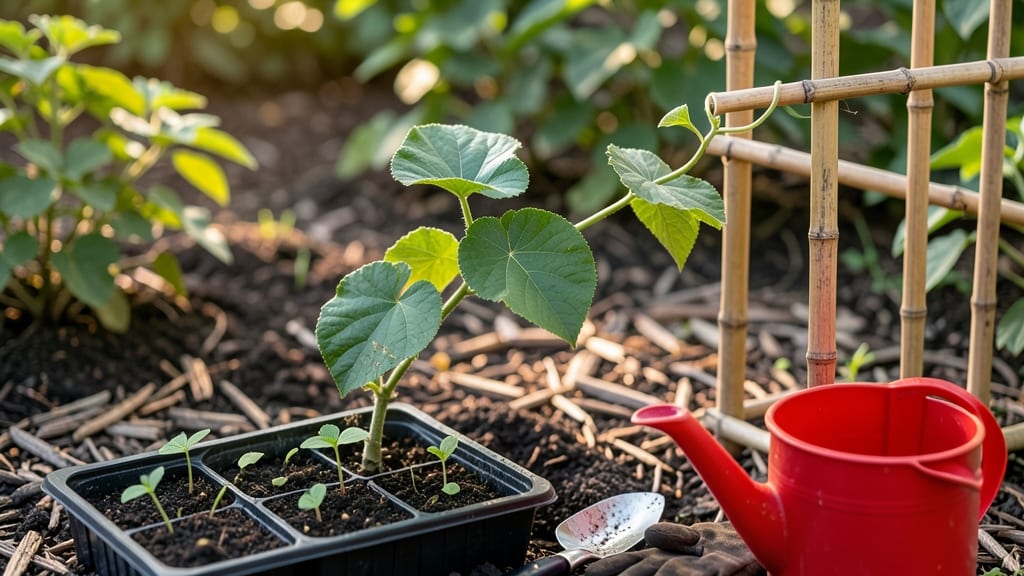
Growing a garden from a kiwi seed is a rewarding journey—your vines will pop open pods without twisting, no fancy tools needed. 🌱 I’ve watched these vines climb trellises like nature’s own zip line, their fuzzy leaves catching morning light.
The secret starts with the seed: those tiny black dots inside the kiwi hold the potential for a garden-worthy vine, but you’ve got to coax them right.
You’ll need patience—kiwi seeds take 3-4 weeks to germinate, and the vines won’t fruit for 3-5 years. But the payoff? Disease-resistant plants that thrive in zones 7-9 with 6+ hours of sun daily and well-draining soil.
I planted mine near a sturdy fence, and by summer, the tendrils were gripping like a pro.
Once sprouted, keep soil moist but not soggy—kiwi roots hate wet feet. Prune aggressively in early spring to shape the vine and encourage fruit-bearing branches. The first harvest? Sweet, tart kiwis that taste like summer in a pod. Just don’t expect it soon—this is a marathon, not a sprint.
Common pitfalls? Overwatering and poor trellis support. My first vine nearly collapsed under its own weight until I added cross-bracing. With the right setup, though, these vines become the green giants of your garden—productive, hardy, and endlessly fascinating to watch grow.
📚 In This Guide
- What you need
- Instructions
- Tips and common mistakes
- Wrapping up and next steps
What you need
- ● Kiwi seeds: 3–5 fresh, plump seeds (harvested from organic, store-bought, or homegrown kiwis—avoid pre-treated seeds).
- ● Small pots or seed trays: 2–3 (3–4 inches deep) with drainage holes. Tip: Plastic or biodegradable pots work great!
- ● Seed-starting mix: 1–2 cups of lightweight, sterile potting soil (avoid garden soil—it’s too dense).
- ● Plastic wrap or clear lid: To create a mini greenhouse effect (e.g., a plastic bag or propagator lid).
- ● Spray bottle: For gentle watering (avoids disturbing seeds).
- ● Grow lights or sunny windowsill: A south-facing window or LED grow lights (12–16 hours/day) for seedlings.
- ○ Fertilizer (optional but helpful): A balanced, water-soluble fertilizer (5-10-5 or 10-10-10) for transplanting.
- ● Heating mat: Speeds up germination (70–75°F is ideal).
- ● Humidity dome: Keeps moisture levels high for faster sprouting.
- ● Trellis or stakes: For supporting vines once they’re 2–3 feet tall (kiwis are climbers!).
- ● pH test kit: Ensures soil pH is between 5.5–6.5 (kiwis prefer slightly acidic soil).
- ● Pruning shears: For shaping the vine as it grows.
Step-by-step instructions for growing kiwi vines from seed
Here's how to nurture kiwi seeds into healthy vines with minimal fuss.
🌱 Step 1: Extract and Prepare the Seeds
Cut open a ripe kiwi fruit and scoop out the black seeds, which are the only viable ones for growing. Rinse them thoroughly under cool water to remove all the pulp—any leftover fruit will rot during germination. Spread them on a paper towel and let them air-dry for 24 hours in a warm, dry spot. This step prevents mold and ensures a clean start.
Once dry, place the seeds in a small container with slightly damp paper towels. Fold the towels to cover the seeds lightly, then seal the container with plastic wrap. Store it in a warm spot, like on top of the fridge, where temperatures stay around 70-75°F. Check daily for moisture—keep the towels damp but not soggy. You'll see tiny sprouts in 2-4 weeks, signaling it's time to move them to soil.
🪴 Step 2: Plant Sprouted Seeds in Individual Pots
Fill small biodegradable pots, about 3-4 inches deep, with a light, well-draining potting mix. I like a blend of 50% peat moss and 50% perlite to keep roots aerated. Make a small hole in the center of each pot with your finger, just deep enough to cradle the sprout without burying it too deeply.
Gently place each seedling into its own pot, pressing the soil lightly around the base to secure it. Water gently until the soil is moist to the touch, but avoid overwatering—kiwi seedlings are delicate and can rot if the soil stays too wet. Place the pots in a warm, bright spot with indirect light for the first week, as direct sun can scorch young leaves.
☀️ Step 3: Provide Gradual Sunlight and Support
Once the seedlings have 2-3 sets of true leaves, gradually introduce them to morning sunlight for 2-3 hours daily. Over the next 2 weeks, increase their sun exposure to 6 hours per day, ensuring they receive gentle afternoon shade to prevent leaf burn. Kiwi vines are vigorous climbers, so install a small trellis or stake in each pot to guide their growth upward.
Fertilize lightly every 4-6 weeks with a balanced, water-soluble fertilizer diluted to half-strength. Kiwi vines are heavy feeders, but young plants don’t need much—too much fertilizer can stunt their growth. Watch for new leaves emerging near the base of the plant; this is your sign that the vine is establishing strong roots and ready for more robust care.
✂️ Step 4: Transplant and Train for Outdoor Growth
After 3-4 months, when the vines have grown 3-4 feet tall and developed a sturdy trellis, it’s time to transplant them outdoors. Choose a location with full sun exposure and well-draining soil. Dig a hole twice as wide as the pot but only as deep, then gently remove the seedling and place it in the hole, ensuring the top of the root ball sits 1 inch below soil level.
Water deeply after transplanting to help the roots settle into the new soil. Train the vine to climb by tying the main stem to the trellis with soft plant ties, adjusting as it grows. Kiwi vines can grow 20+ feet tall, so a strong, tall trellis or arbor is ideal. Prune any leggy or weak growth to encourage bushier, healthier vines. With patience, your kiwi vine will thrive and eventually produce fruit in 3-5 years.
Tips & tricks for growing kiwi vines from seed
A few simple strategies will help you avoid common pitfalls and nurture your kiwi vines into thriving plants.
Germination Success: The 24-hour drying period is crucial—don't rush it! I've learned the hard way that skipping this step leads to moldy seeds. Place your seeds on a paper towel in a single layer, and rotate the tray every 8 hours to ensure even drying. This creates the perfect conditions for strong, healthy sprouts that appear within that 2-4 week window.
Soil Mix Matters: While the 50% peat moss and 50% perlite blend works perfectly, you can substitute perlite with vermiculite or even coarse sand for better drainage. The key is maintaining that airy texture—kiwi roots need room to breathe. If your mix feels too dense after moistening, add a bit more perlite before planting your sprouts.
Sunlight Transition: When increasing sunlight exposure from 2-3 hours to 6 hours, do it gradually over those 2 weeks. I start by moving pots just 30 minutes closer to the window each day. Sudden exposure can cause leaf burn, and you'll know it's happening when you see crispy edges on the leaves. A light shade cloth can help during this adjustment period.
Transplanting Timing: The 3-4 month mark is ideal for transplanting, but watch for these signs: your vine should have at least 3-4 feet of growth and show new leaves near the base. If you transplant too early, the roots won't be strong enough to support outdoor conditions. I always wait until late spring when nighttime temperatures stay above 50°F for consistent growth.
Pro Tips for Kiwi Seed Grow A Garden
- A few simple strategies will help you avoid common pitfalls and nurture your kiwi vines into thriving plants.
- Germination Success: The 24-hour drying period is crucial—don't rush it! I've learned the hard way that skipping this...
- Soil Mix Matters: While the 50% peat moss and 50% perlite blend works perfectly, you can substitute perlite with verm...
Frequently asked questions
Got questions about growing kiwi from seed?
You’re not alone! Here are answers to the most common queries to help you grow twist-free kiwi pods with ease.
How long does it take for a kiwi seed to germinate?
Kiwi seeds can take anywhere from 2 to 4 weeks to germinate, depending on temperature and moisture. Keep them in a warm, humid environment (around 70–75°F) and maintain consistent dampness. Patience is key—some seeds may take even longer!
Can I grow a kiwi plant indoors?
Yes! Kiwi vines thrive indoors in pots, especially if you live in a cooler climate. Place them near a south-facing window or under grow lights for 6–8 hours daily. Just ensure the pot has drainage holes and use a well-draining soil mix. Young plants may need support as they grow.
How long until my kiwi plant produces fruit?
Kiwi plants grown from seed are notoriously slow—expect fruit in 5–7 years (or longer!). For faster results, graft a mature variety onto your seedling. Female and male plants are needed for pollination, so plant both if you want fruit. Patience pays off with sweet, homegrown kiwis!
Why aren’t my kiwi seeds sprouting?
Several factors could delay germination: old seeds, cold soil, or lack of moisture. Try soaking seeds in warm water for 24 hours before planting, or scarify them lightly with sandpaper to break dormancy. If seeds are over a year old, viability drops—start fresh for best results!
What’s the best climate for growing kiwi from seed?
Kiwi vines love temperate climates (USDA Zones 7–9) with warm summers and cold winters. They need 6+ hours of sunlight daily and protection from strong winds. In colder areas, grow them in containers and overwinter indoors. Avoid tropical climates—they struggle with heat and humidity.
Wrapping up and next steps
Growing kiwi seeds into a thriving garden is a rewarding journey that blends patience with the joy of nature’s surprises! 🌱 By following these simple steps—from sourcing the perfect pods to nurturing your vines—you’ll unlock the magic of homegrown kiwis in just a few seasons.
Start small, stay consistent, and soon you’ll be harvesting your own sweet, tangy treats.
Ready to take the next step? Grab those seeds, prep your trellis, and let your green thumb shine! Whether you’re a beginner or a seasoned gardener, every seed planted today is a future harvest waiting to happen. Happy growing! 🌿