
Container Gardens
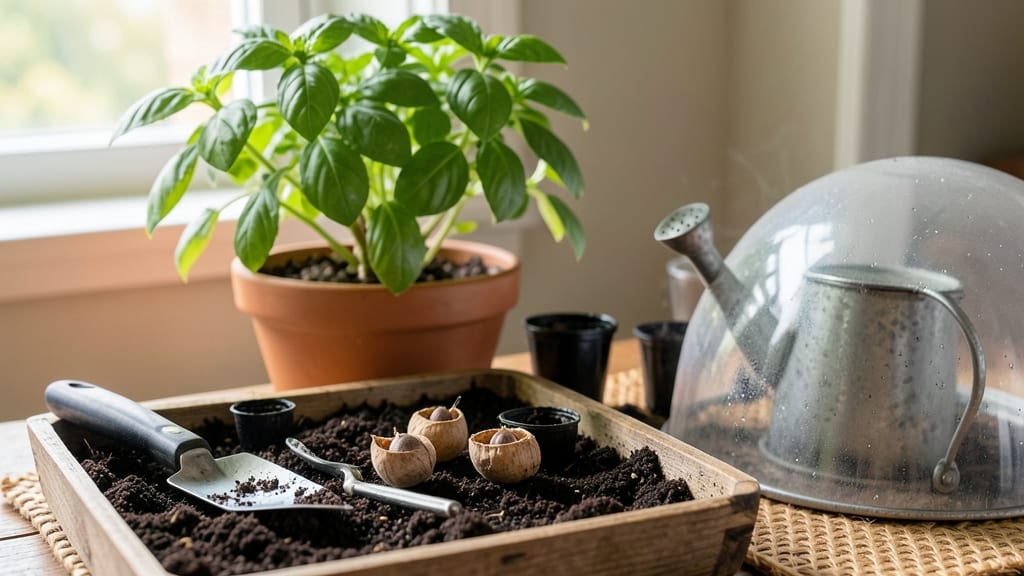
Growing basil from seed in a pot means fresh, fragrant leaves in just three weeks—no nursery trips or wilted store-bought plants. 🌱 I’ve started dozens of basil plants this way, and the secret isn’t complicated: it’s about warmth, moisture, and a little patience.
Skip the fancy gear; all you need is the right pot, soil, and a sunny spot to turn seeds into a thriving herb factory.
The trick to fast germination starts with a warm, moist environment. Use a small pot (4–6 inches wide) with drainage holes, fill it with seed-starting mix, and plant seeds just ¼-inch deep.
Keep the soil consistently damp—not soggy—and cover the pot with plastic wrap or a humidity dome until sprouts appear. Most seeds pop up in 5–10 days if kept at 70–75°F, which is easier than you’d think with a simple heat mat or sunny windowsill.
Once sprouted, basil loves bright light (6+ hours daily) and regular watering—let the top inch of soil dry out between drinks. Pinch off the top set of leaves when the plant hits 6 inches tall to encourage bushier growth.
By week 6, you’ll have a lush plant ready for harvesting, and the aroma alone makes the effort worth it. The best part? You’ll never buy basil again.
This method works for indoor windowsills, balconies, or patios—no garden required. Just watch for overwatering (basil hates wet feet) and yellowing leaves (a sign of too much sun or cold drafts).
With these simple steps, you’ll go from seed to snipping in less time than it takes to wait for store-bought herbs to wilt.
📚 In This Guide
- What you need
- Instructions
- Tips and common mistakes
- Wrapping up and next steps
What you need
- ● Basil seeds: 1 packet (typically 50–100 seeds; choose Genovese, Thai, or Sweet basil for best results).
- ● Container: 1–2 pots (5–12 inches in diameter) with drainage holes. Terracotta or fabric pots work best for airflow.
- ● Potting mix: 1 bag of high-quality, well-draining seed-starting mix or a blend of 60% potting soil + 40% perlite/vermiculite.
- ● Watering can or spray bottle: With a fine mist nozzle for gentle hydration.
- ○ Grow lights or sunny windowsill: Basil needs 6–8 hours of light daily. A full-spectrum LED grow light (optional but helpful for indoor setups).
- ● Plant labels: 1–2 wooden or plastic labels to track varieties.
- ○ Fertilizer (optional but recommended): 1 bottle of balanced liquid fertilizer (e.g., 10-10-10) or
- ● 1 packet of compost or worm castings for organic nutrition.
- ● Seed-starting trays: For pre-sprouting seeds before transplanting (if you want to speed up germination).
- ● Heat mat: Keeps soil warm (70–80°F) to boost germination speed (especially useful in cool climates).
- ● Humidity dome: A clear plastic cover or DIY setup (e.g., a cut-off plastic bottle) to retain moisture while seeds sprout.
- ● Pruning shears: For harvesting leaves and shaping plants as they grow.
- ● Mulch or pebbles: To retain soil moisture and keep roots cool.
Step-by-Step instructions for growing basil from seed in pots
Here’s how to get basil sprouting in just days and thriving in containers.
🌱 Step 1: Prepare Containers and Seed Starting Mix
Use 4-inch pots with drainage holes—basil roots need airflow to prevent rot. Fill each pot with sterile seed-starting mix (not garden soil) and moisten it until damp but not soggy. I press the mix down lightly with my fingers to create a firm, even surface—this prevents seeds from sinking too deep during watering.
Basil seeds are tiny, so I use a toothpick to place 2-3 seeds per pot about ¼ inch deep. Cover them with a thin layer of mix, then mist the surface with a spray bottle until evenly damp. The goal is moisture without pooling—basil seeds rot if buried too deep or oversaturated.
💧 Step 2: Create Ideal Germination Conditions
Cover the pots with plastic wrap or a humidity dome to trap warmth and moisture. Basil seeds germinate fastest at 70-75°F—place them on a seedling heat mat or near a sunny window. Check daily for condensation; if it disappears, mist lightly again. You’ll see first sprouts in 5-10 days—watch for tiny green hooks pushing through the soil.
Once 50% of seeds sprout, remove the cover immediately. Trapped moisture after germination invites fungal diseases like damping-off, which collapses seedlings overnight. Keep the soil consistently moist (not wet) by watering at the base—never overhead.
☀️ Step 3: Provide Bright, Indirect Light for Strong Growth
Move seedlings to a south-facing window or under grow lights (14-16 hours/day) within 7-10 days. Basil grows leggy if stretched toward light—adjust the pot so leaves face the window evenly. You’ll know light is sufficient when seedlings develop bold green leaves with compact spacing between nodes.
Rotate pots quarter-turn daily to prevent leaning. If leaves yellow or stems elongate, your light is too weak—supplement with a T5 LED grow light held 4 inches above the plants. Strong basil starts with thick stems and rounded leaves—never thin or pale.
🪴 Step 4: Thin and Transplant for Bushier Plants
When seedlings reach 2 inches tall (about 3-4 weeks), thin to the strongest plant per pot. Use scissors to snip weak stems at soil level—this prevents disturbing roots. Basil thrives in 6-inch pots by this stage; repot if crowded, using fresh potting mix with compost for nutrients. Water deeply after transplanting.
Pinch off the top set of leaves when plants hit 6 inches to encourage bushiness. This redirects energy to side shoots, giving you more harvests. Fertilize lightly with balanced liquid fertilizer (10-10-10) every 2 weeks—basil grows fast but needs steady nutrients to avoid bitter flavors.
✂️ Step 5: Harvest and Maintain for Continuous Growth
Harvest outer leaves when plants reach 8-10 inches, cutting just above a leaf node. This stimulates new growth—you’ll see new leaves emerge within 3-5 days. Avoid harvesting more than ⅓ of the plant at once; basil recovers poorly from heavy pruning. Use fresh leaves within 3 days for peak flavor.
Watch for whiteflies or aphids—spray affected areas with neem oil immediately. Basil also needs regular watering (keep soil 1 inch damp at all times). Move pots outside in morning sun after frost risk passes—basil loves warmth but wilts in afternoon heat. With this care, your plants will produce harvests for months.
Tips & tricks for fast basil germination and healthy growth
These insider tricks will help you skip the common pitfalls and get basil thriving in record time.
Germination Speed Boost: For the fastest sprouts in Step 2, place your covered pots on a seedling heat mat set to 75°F—this mimics ideal greenhouse conditions. If you don't have a heat mat, nestle the pots inside a warm oven (with the light off) for 10 minutes daily. The consistent warmth triggers germination faster than room temperature alone, often cutting those 5-10 days down to just 3-7 days.
Lighting Hack for Small Spaces: In Step 3, if your south-facing window isn't bright enough, supplement with a simple LED desk lamp (no need for expensive grow lights). Position it 6 inches above the seedlings for 4-6 hours daily. The key is replicating the 14-16 hours of daylight basil craves—just rotate the pot daily so all sides get even exposure. Watch for that telltale dark green color; pale leaves mean more light is needed.
Soil Moisture Secret: The most common mistake in Step 1 and Step 2 is overwatering—basil seeds need moisture without drowning. After planting, weigh your pots daily. When they feel noticeably lighter, water from the bottom by placing pots in 1 inch of water for 10 minutes. This prevents seed rot while keeping roots hydrated. The soil should feel like a wrung-out sponge, not a swamp.
Transplanting Upgrade: When you repot to 6-inch containers in Step 4, mix in a handful of worm castings with your potting soil. This adds beneficial microbes that help basil absorb nutrients faster. The castings also improve drainage, preventing the soggy soil that leads to root rot—a silent killer of basil plants. Your plants will show it's working within days with thicker stems and glossier leaves.
Pro Tips for Grow Basil From Seed In A Pot
- These insider tricks will help you skip the common pitfalls and get basil thriving in record time.
- Germination Speed Boost: For the fastest sprouts in Step 2, place your covered pots on a seedling heat mat set to 75°...
- Lighting Hack for Small Spaces: In Step 3, if your south-facing window isn't bright enough, supplement with a simple ...
Frequently asked questions
Got questions about growing basil from seed in a pot? You’re not alone! Here are answers to the most common concerns—so you can grow lush, flavorful basil with confidence.
How long does it take for basil seeds to germinate?
Basil seeds typically sprout in 7–14 days when kept warm (70–80°F) and moist. For faster germination, soak seeds in warm water for 4–6 hours before planting. Patience is key—just keep the soil consistently damp and avoid overwatering.
Can I grow basil indoors year-round in a pot?
Yes! Basil thrives indoors with 6–8 hours of sunlight daily (a south-facing window or grow light works). Keep temps between 60–75°F, and rotate the pot weekly for even growth. Just watch for leggy stems—a sign it needs more light!
Why are my basil seeds not sprouting?
Check these common culprits: too-cold soil (use a heating mat if needed), dry soil (keep it damp but not soggy), or old seeds (store-bought seeds are usually fine, but homemade seeds may need a soak). If seeds float in water, they’re likely bad—try fresh ones!
How big should my pot be for basil?
A pot 6–12 inches wide is ideal for 1–3 basil plants. Basil has shallow roots, so depth matters less than width. Add drainage holes to prevent root rot, and use a well-draining potting mix (like 60% potting soil + 40% perlite).
Can I grow basil from store-bought stems instead of seeds?
Snip a 4–6 inch stem from a healthy basil plant, strip the lower leaves, and place it in water or moist soil. Roots should appear in 1–2 weeks. This method is faster and often more reliable for beginners—just avoid flowering stems (they’re less likely to root).
Wrapping up and next steps
Growing basil from seed in a pot is a rewarding journey that brings fresh, fragrant herbs right to your kitchen! With the right containers, soil, and care, you’ll enjoy a thriving basil plant in just a few weeks.
Whether you’re a beginner or a seasoned gardener, this method is simple, cost-effective, and perfect for small spaces.
Now that you’re armed with the knowledge, take the first step today—grab your supplies, plant those seeds, and watch your little green friends grow! Soon, you’ll be harvesting basil for pesto, salads, or teas. Happy gardening! 🌱✨