
Size
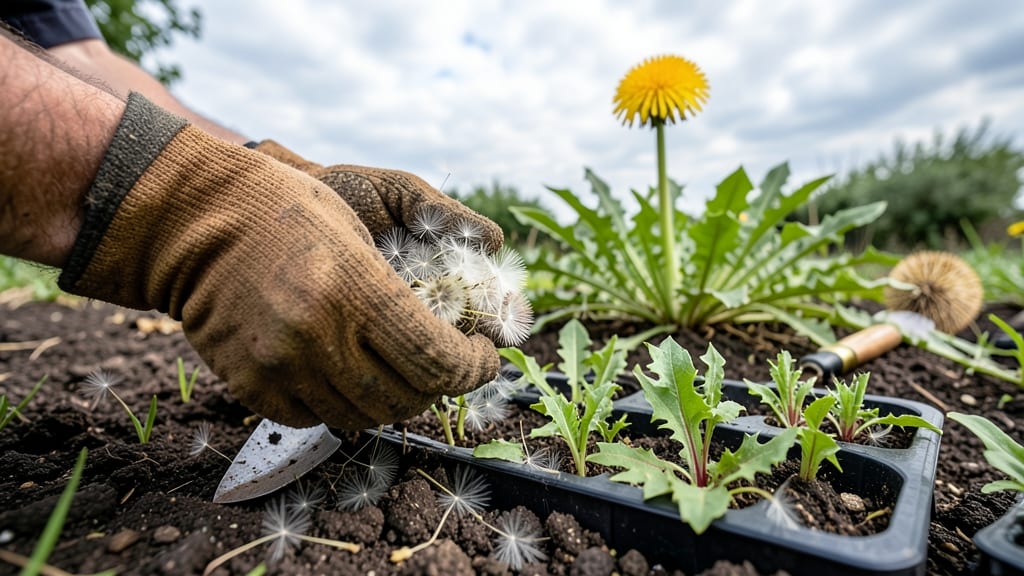
Growing a garden from dandelion seed transforms your yard into a buzzing pollinator paradise in just 60 days. 🌼 I used to pull them out—until I realized they’re nature’s first food source for bees and butterflies.
The secret is simple: scatter seeds in early spring, let them grow wild, and watch your garden become a haven for wildlife.
You’ll need minimal supplies: a bag of dandelion seeds (or saved puffballs from last year), a sunny patch of soil, and patience. Dandelions thrive in poor soil, need almost no watering, and spread effortlessly.
They’re edible too—young leaves make a bitter but nutritious salad, and roots can be roasted like coffee.
By late spring, you’ll have a meadow of bright yellow blooms that never need deadheading. The trade-off? A few stubborn weeds—but they’re the kind that feed birds and bees. Even my skeptical neighbor admitted the garden looked better after letting them grow.
Works in any sunny spot, from lawn edges to full meadows. No digging, no fuss—just let nature take over. Here’s how to get started without the guilt of "weeds."
📚 In This Guide
- What you need
- Instructions
- Tips and common mistakes
- Wrapping up and next steps
What you need
- ● Dandelion seeds: 1–2 lbs (enough to cover 100–200 sq ft). Look for Taraxacum officinale seeds or wildflower mixes containing dandelions.
- ● Garden soil: Well-draining, loamy soil (amend with compost if your soil is heavy or clay-like). Aim for 1 cubic yard per 100 sq ft.
- ● Watering can or hose: With a gentle spray nozzle for even moisture distribution.
- ● Garden rake: Medium-tooth (for loosening soil and covering seeds lightly).
- ○ Gloves (optional but recommended): To protect hands from soil and seed handling.
- ● Broadcast spreader: For even seed distribution (especially useful for larger areas).
- ● Mulch (straw or leaves): Light layer (¼ inch) to retain moisture and deter weeds.
- ● Organic fertilizer (low-nitrogen): 5-10-10 or compost tea to boost seedling growth.
- ○ Weed barrier fabric: Optional for high-weed areas (lay before seeding).
- ● Knee pads: For comfort during planting (trust us, your knees will thank you!).
Step-by-Step instructions for growing a dandelion meadow garden
Turn your yard into a vibrant wildflower haven with this easy, no-fuss approach.
🌱 Step 1: Choose and Prepare Your Planting Site
Dandelions thrive in full sun to partial shade—6+ hours of sunlight daily is ideal. Scout your yard for areas with good drainage, as they hate soggy roots. I always pick a spot where grass is thin or bare soil shows through, since dandelions outcompete turf naturally. Mark your area with stakes or spray paint for clarity.
If your soil is compacted, loosen the top 4-6 inches with a broadfork or tiller. Dandelions don’t need rich soil, but breaking up hardpan helps roots establish faster. Rake the surface smooth—you want a seedbed as fine as a golf course fairway. Real talk: dandelions will grow anywhere, but a little prep makes them showier and hardier.
🌿 Step 2: Scatter Seeds for Natural Meadow Beauty
Sow seeds in early spring or fall, when temperatures are 50-70°F. For a 4-foot by 4-foot patch, sprinkle seeds sparingly—about 1 teaspoon per square yard. I like to toss them by hand and let nature handle spacing, but if you want uniform coverage, mix seeds with sand first. Press them ¼ inch deep into the soil with your fingers or a light rake.
Don’t cover them with mulch or soil—they need light to germinate. A gentle misting keeps seeds moist until sprouts appear in 7-14 days. Here’s the thing—dandelions self-seed aggressively, so if you want a contained patch, edge it with landscape fabric or a shallow trench to block wandering seeds.
☀️ Step 3: Water and Maintain for Lush Growth
Water lightly once daily for the first 2 weeks until seedlings reach 2 inches tall. After that, water 2-3 times weekly, focusing on the roots—deep soaks encourage strong taproots. You’ll know moisture is right when the soil feels damp 1 inch below the surface. Dandelions are drought-tolerant once established, but young plants need consistent water.
Let the plants grow wild—no fertilizing needed. If weeds pop up, pull them when small, but don’t stress. Dandelions will outcompete most invaders within a season. Watch for bright yellow blooms in 60-70 days, signaling your meadow is thriving. This is the moment that matters: the first puffballs signal it’s time to enjoy (or share) the magic.
✂️ Step 4: Harvest and Enjoy Your Wildflower Bounty
Cut back spent blooms before seed heads form if you want to control spread. For a natural look, leave some to go to seed—they’ll feed pollinators and self-sow for next year. Harvest individual flowers by twisting stems gently at the base. I like to dry them in bundles for tea or crafts, but fresh petals work great in salads too.
In late fall, mow or rake down stems to tidy the area. Dandelions die back in frost but return stronger each spring. Don’t skip this step—it prevents seed buildup and keeps your meadow looking intentional. Real talk: once you start, you’ll want to expand. These tough, cheerful plants reward patience with years of low-maintenance beauty.
Tips & tricks for perfect dandelion meadow gardens
These simple tricks will help you create a thriving, low-maintenance wildflower meadow that blooms year after year.
Location is Everything: Pay special attention to Step 1 when choosing your site. Dandelions love full sun but tolerate partial shade—just avoid areas where water pools after rain. I’ve noticed the most vibrant blooms in spots where grass naturally thins out, as this indicates good drainage. If your yard has heavy clay soil, consider amending with compost before planting to improve root establishment.
Seed Spacing Secrets: In Step 2, don't be tempted to use more seeds than the 1 teaspoon per square yard recommendation. Dandelions grow quickly and spread aggressively—overcrowding leads to weak stems and smaller blooms. For a more natural look, try scattering seeds by hand on a breezy day and let the wind help distribute them. This mimics how dandelions naturally spread in meadows.
Watering Wisdom: The first 2 weeks after planting in Step 3 are critical. Water lightly each morning rather than heavily once a day—this prevents soil compaction around delicate seedlings. Use a gentle spray nozzle or soaker hose to keep the soil consistently moist but not soggy. Once plants reach 2 inches tall, you can reduce to 2-3 times weekly, focusing on deep watering to encourage those strong taproots.
Pollinator Power: Here's what nobody tells you—leave at least 20% of your blooms to go to seed in Step 4. The seed heads feed bees and butterflies while ensuring your meadow self-sows for future seasons. I like to create a "wild corner" where I intentionally leave plants to mature completely, which becomes a magnet for pollinators. This natural cycle makes your meadow more resilient each year.
Pro Tips for Dandelion Seed Grow A Garden
- These simple tricks will help you create a thriving, low-maintenance wildflower meadow that blooms year after year.
- Location is Everything: Pay special attention to Step 1 when choosing your site. Dandelions love full sun but tolerat...
- Seed Spacing Secrets: In Step 2, don't be tempted to use more seeds than the 1 teaspoon per square yard recommendatio...
Frequently asked questions
Got questions about growing a dandelion seed garden?
You’re not alone—these hardy wildflowers spark curiosity! Here are answers to the most common queries to help you cultivate your meadow magic with confidence.
How long does it take for dandelion seeds to sprout?
Dandelion seeds typically sprout within 7–14 days after planting, especially in warm soil (60–75°F). If you’re sowing in cooler weather, expect germination to take a little longer—up to 3 weeks. Keep the soil consistently moist (but not soggy) to speed things up!
When is the best time to plant dandelion seeds?
The ideal window is early spring (after the last frost) or late summer (August–September). Spring planting gives flowers a full season to establish, while late summer sown seeds often bloom the following year. Avoid planting in extreme heat or deep frost—dandelions are tough but not invincible!
Can I grow dandelions from store-bought seeds or do I need wild ones?
Store-bought dandelion seeds (like those from seed packets) work perfectly—they’re often treated for purity and vigor. Wild dandelions may have more genetic variety, but store-bought seeds are reliable, consistent, and free of contaminants. Just check the packet for organic or non-GMO labels if that matters to you.
Will dandelions spread uncontrollably in my garden?
Dandelions do spread via seeds and roots, but you can manage their growth! Plant them in a designated area (like a wildflower meadow patch) and mow or hand-pull excess plants before they go to seed. For extra control, choose sterile varieties (like ‘Vanessa’ or ‘White Swan’) that produce fewer seeds.
Do dandelions need full sun, or can they grow in partial shade?
Dandelions thrive in full sun (6+ hours daily), but they’ll tolerate partial shade (3–6 hours), especially in hot climates. In shadier spots, expect smaller blooms and slower growth. If your garden has limited sun, pair them with shade-tolerant wildflowers like clover or violets for a balanced meadow.
Pro Tip: Troubleshooting yellow leaves
If your dandelion leaves turn yellow, it’s often due to overwatering, poor drainage, or nutrient deficiency. Let the soil dry slightly between waterings, and amend heavy clay soil with compost. Yellow edges? It might be salt buildup—flush the soil with fresh water.
Wrapping up and next steps
Growing a dandelion seed garden is more than just a gardening project—it’s a celebration of nature’s resilience and beauty! 🌼 With the right soil, sunlight, and a little patience, you’ll transform bare patches into a vibrant meadow teeming with life in just 60 days.
Whether you’re a beginner or a seasoned gardener, these wildflowers offer low-maintenance joy and a haven for pollinators.
Ready to take the next step? Start small—plant a few seeds in a corner of your yard or a container—and watch your garden bloom with effortless charm. Happy growing!