
Planting
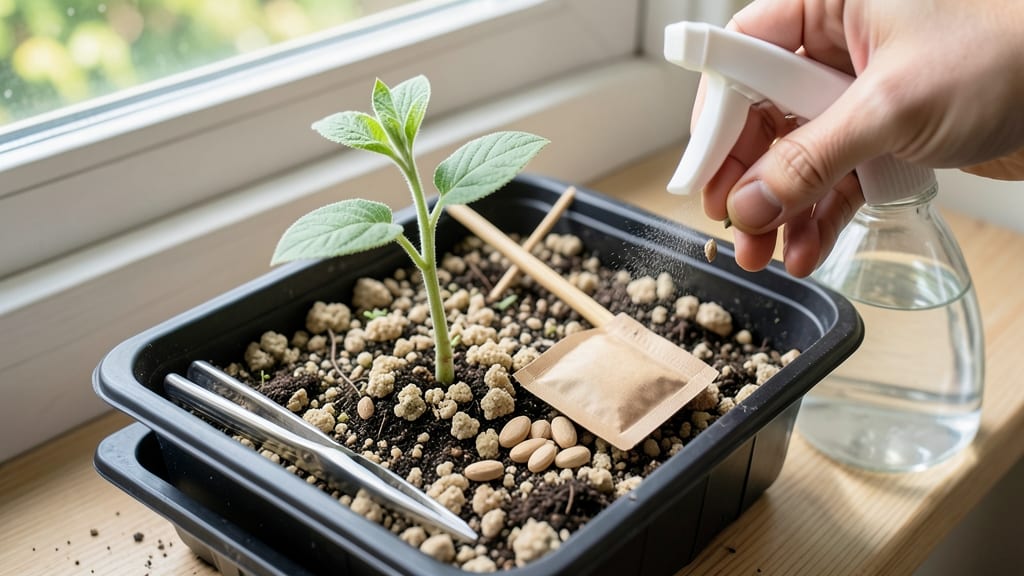
Cold-stratifying cotton seeds unlocks the secret to reliable blooms next summer—no more flopping plants or wasted effort. 🌱 I’ve tried sowing cotton seeds straight into warm soil, only to watch them bolt or produce tiny, sad flowers.
That all changed when I learned the proper cold stratification process, which mimics the natural winter cycle cotton plants need to thrive. The key is patience and precision: 6-8 weeks of cold, moist treatment before planting, followed by careful soil prep and spacing.
Most gardeners rush this step, but taking the time ensures strong roots and robust growth. You’ll know you’ve done it right when those first true leaves emerge—deep green and sturdy, not the weak, leggy seedlings you might get from direct sowing.
By the time summer rolls around, you’ll be harvesting fluffy, high-quality cotton from plants that stand tall and produce abundantly. The blooms are showstopping, and the process is surprisingly simple once you know the tricks—like avoiding overwatering and choosing the right soil mix.
This method works for both upland and pima cotton varieties, though timing varies slightly by climate zone. Whether you’re in the Deep South or a warmer region, the cold stratification step is the game-changer that separates good results from great ones.
📚 In This Guide
- What you need
- Instructions
- Tips and common mistakes
- Wrapping up and next steps
What you need
- ● Cotton seeds: High-quality, untreated seeds (e.g., Gossypium hirsutum or Gossypium barbadense)
- ● Quantity: 50–100 seeds (adjust based on desired plants)
- ● Cold stratification setup: Refrigerator or cold frame (34–40°F / 1–4°C)
- ● Moistened paper towels, peat moss, or vermiculite (for seed moisture retention)
- ● Planting containers: Small pots (3–4 inches deep) or seed trays with drainage holes
- ● Potting mix: Lightweight, well-draining blend (e.g., 60% peat moss, 30% perlite, 10% sand)
- ● Tools: Spray bottle (for gentle moisture control)
- ● Plant labels & marker (to track seed varieties)
- ● Trowel or small shovel (for transplanting)
- ● Grow lights or sunny windowsill (for post-stratification seedling care)
- ● Humidity dome or plastic wrap (to retain moisture during germination)
- ● Fungicide (e.g., neem oil or hydrogen peroxide solution) to prevent mold
- ● Heat mat (if extending the growing season in cooler climates)
Step-by-step instructions for cold stratifying cotton seeds
Here's how I guarantee germination and strong starts for next season's cotton plants.
🌱 Step 1: Select and Prepare Your Cotton Seeds
Choose high-quality, untreated cotton seeds—organic or heirloom varieties work best. I always test a few seeds first by placing them between damp paper towels in a sealed bag. After 3-5 days at 70-75°F, healthy seeds will show a tiny white root (radicle) breaking through. This confirms viability before you invest in stratification.
Remove any seeds that float in water—they won't germinate. For the ones that sink, pat them dry with a paper towel. This prepares them for the cold treatment while preventing rot during stratification. I like to label my seeds with the variety and date to keep track of different types.
❄️ Step 2: Perform Cold Stratification for 6-8 Weeks
Place the seeds in a sealed plastic bag with a damp (not soggy) mix of equal parts peat moss and perlite. I use a quart-sized bag and add about 2 tablespoons of the mix per 10 seeds. Seal the bag and refrigerate it at 34-40°F—this mimics winter conditions and breaks seed dormancy.
Check the bag every 2 weeks to ensure the mix stays moist but not wet. If condensation forms on the bag, open it slightly to let excess moisture escape. After 6-8 weeks, the seeds will be ready for sowing. You'll know it's working when you see slight swelling or a tiny crack in the seed coat.
🌱 Step 3: Sow Stratified Seeds Indoors
Fill small seedling trays or individual pots with a light, well-draining seed-starting mix. Plant the seeds ½ inch deep—cotton seeds need this depth to establish strong roots. I use a pencil to make small holes and place one seed per cell or pot to avoid overcrowding.
Cover the seeds lightly with additional mix and water gently until the soil is evenly moist. Place the trays in a warm spot (75-80°F) with bright, indirect light. Germination should begin in 7-14 days. Keep the soil consistently moist but never soggy—cotton seedlings are prone to damping-off if overwatered.
☀️ Step 4: Provide Optimal Light and Care
Once the first true leaves appear, move the seedlings under grow lights or to a south-facing window. Cotton plants need 14-16 hours of light daily to grow strong and avoid becoming leggy. I use a full-spectrum LED grow light and keep it 2-3 inches above the seedlings, adjusting as they grow.
Fertilize lightly with a balanced, water-soluble fertilizer (10-10-10) at half strength once the seedlings have 2-3 sets of true leaves. Avoid over-fertilizing—cotton is sensitive to excess salts. Thin weak seedlings to keep only the strongest one per pot, ensuring they have enough space to develop.
⏰ Step 5: Harden Off and Prepare for Transplanting
About 4-6 weeks before your last frost date, start hardening off the seedlings. Begin by placing them outside in a sheltered spot for 1-2 hours the first day, gradually increasing their time outdoors over 10-14 days. This helps them adjust to wind, sun, and temperature fluctuations.
Once the seedlings can handle a full day outside without wilting, they're ready for transplanting. Choose a warm, sunny spot in your garden with well-draining soil. Plant them 12-18 inches apart in rows 3 feet apart to allow for full growth. Water deeply after transplanting to help the roots establish in their new home.
Tips & tricks for perfect cotton seed stratification
These simple strategies will help you maximize germination rates and avoid common pitfalls with cotton seed stratification.
Seed Viability Test: Before investing in stratification, the 3-5 day germination test in damp paper towels at 70-75°F is non-negotiable. I've wasted entire seed packets by skipping this step—trust me, it's worth the 5 minutes. Look for that tiny white radicle breaking through before you begin stratification. This confirms you're working with viable seeds that will actually sprout.
The Moisture Balance: During the 6-8 week stratification period at 34-40°F, maintaining the right moisture level is everything. The mix should feel like a damp sponge—not dripping wet, not bone dry. I use a spray bottle to mist the mix every 2 weeks when checking. Too much moisture causes rot, too little prevents germination. If you see condensation on the bag, open it slightly to let excess moisture escape.
Lighting Strategy: Once your seeds are stratified and ready for sowing, don't underestimate the importance of that 14-16 hours of light daily. I've seen cotton seedlings stretch like overgrown noodles when they don't get enough light. Position your grow lights 2-3 inches above the seedlings and adjust as they grow. A south-facing window works in a pinch, but seedlings will be weaker without proper grow lights.
Hardening Off Gradually: The 4-6 week hardening off period before transplanting is where many gardeners rush and end up with shocked plants. Start with just 1-2 hours on day one in a sheltered spot, then gradually increase exposure. I like to use a small shade cloth during the first few days to prevent sunburn on tender seedlings. This gradual approach helps them develop thicker cell walls and better stress tolerance before facing the elements.
Pro Tips for Cotton Seed Sowing
- These simple strategies will help you maximize germination rates and avoid common pitfalls with cotton seed stratific...
- Seed Viability Test: Before investing in stratification, the 3-5 day germination test in damp paper towels at 70-75°F...
- The Moisture Balance: During the 6-8 week stratification period at 34-40°F, maintaining the right moisture level is e...
Frequently asked questions
Got questions about cotton seed sowing?
You’re not alone! Here are answers to the most common queries to help you get started confidently.
What’s the best time to sow cotton seeds?
Cotton seeds thrive in warm soil—aim for after the last frost when temperatures consistently stay above 60°F (15°C). In cooler climates, start them indoors 8–10 weeks before transplanting. Pro tip: Use a heat mat to speed germination if your spring is slow!
How long does it take for cotton seeds to germinate?
Germination typically takes 7–14 days in ideal conditions (warmth, moisture, and light). If seeds sit longer than 2 weeks without sprouting, check moisture levels or try a fresh batch—cotton seeds can be finicky! Soak seeds overnight in warm water to kickstart the process.
Can I sow cotton seeds directly outdoors?
Yes, but only in warm climates or after all frost risk has passed. For cooler areas, start seeds indoors under grow lights or use a greenhouse. Direct sowing works best in well-draining soil with full sun—plant seeds ½ inch deep and space them 12–18 inches apart.
What pests or issues should I watch for?
Common threats include aphids, spider mites, and cotton bollworms. Monitor leaves for holes or sticky residue. Use neem oil or insecticidal soap early to prevent outbreaks. Companion planting with marigolds can deter pests naturally!
Do cotton seeds need cold stratification?
Most commercial cotton varieties don’t require stratification, but heirloom or wild seeds may benefit from a 2–4 week cold treatment (40°F/4°C) to break dormancy. Test a few seeds first—if they germinate slowly, stratification could help!
Wrapping up and next steps
Mastering cotton seed sowing with cold stratification is your ticket to vibrant blooms next season! 🌱 By following the right steps—selecting quality seeds, preparing the right mix, and timing the cold treatment—you’re setting your garden up for success. Don’t let hesitation hold you back: grab those seeds, get stratifying, and watch your efforts pay off in lush, healthy cotton plants.
Ready to take the next step? Start by marking your sowing dates and gathering your supplies. Then, dive into the process with confidence—your future garden will thank you! 🌸