
Lawn
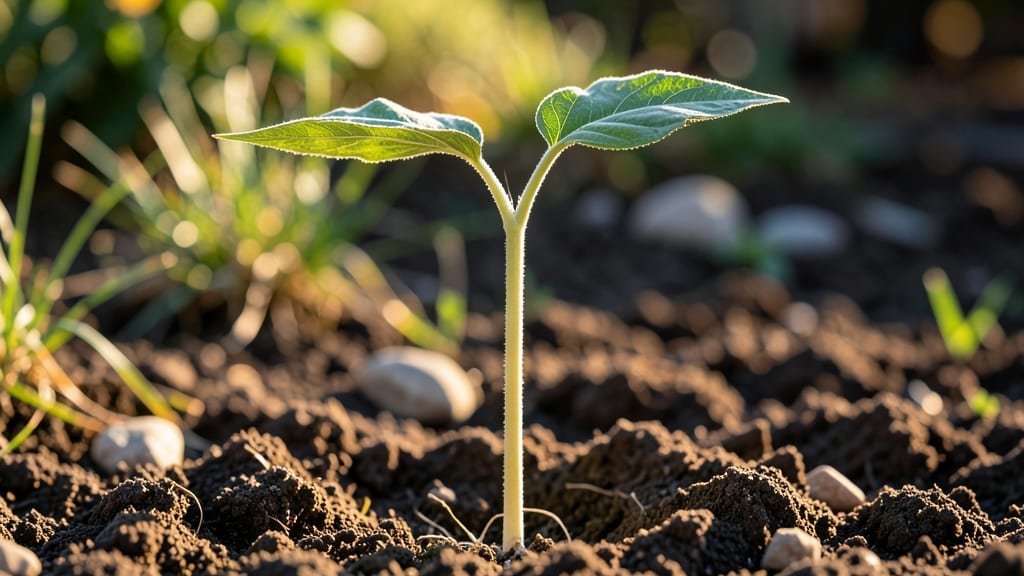
Sunlight turns ordinary soil into a stage for nature's boldest performers. 🌻 A seed in the sun isn't just about growth—it's about creating a garden that practically glows with color and energy, where every plant stands tall and proud.
The right annuals transform your brightest spots into vibrant canvases that shift with the seasons, demanding no extra care beyond a little water and a lot of sunshine.
Think sunflowers reaching for the sky, marigolds blazing in warm hues, or zesty herbs like thyme and oregano that practically beg to be touched. These plants don't just tolerate full sun—they thrive in it, their leaves shimmering even on cloudy days.
The key is grouping them by height and color intensity, so your garden feels like a carefully composed painting rather than a random collection of plants.
What you end up with is a sunny retreat that feels alive all day long. The scent of blooming cosmos mingles with the crisp snap of basil leaves, while the towering stalks of sunflowers provide shade for smaller plants below.
This isn't just a garden—it's a celebration of light, where every visit feels like stepping into a brighter, happier space.
Perfect for sunny patios, vegetable patches, or that south-facing border that always feels a little neglected. Let's bring the sun's energy to your outdoor space in a way that's both beautiful and effortless.
📚 In This Guide
- What you need
- Instructions
- Tips and common mistakes
- Wrapping up and next steps
What you need
- ● Sun-loving annual seeds: Choose from your favorites like marigolds, zinnias, sunflowers, or cosmos (1-2 seed packets per variety).
- ● Well-draining potting soil: 1-2 bags (1 cubic foot each) for containers or in-ground planting.
- ● Garden beds or containers: For in-ground: A sunny spot (6+ hours of direct sunlight) with loose, fertile soil.
- ● For containers: 5-7 inch pots (1 per plant) or a raised bed (12" deep).
- ● Organic compost or fertilizer: 1 bag (e.g., 5-10-5 or balanced 10-10-10) to boost soil nutrients.
- ● Watering can or hose with a gentle spray nozzle: For even moisture without disturbing seeds.
- ● Hand trowel or planting fork: For digging small holes (2-3x seed depth).
- ○ Gloves (optional): To protect hands while handling soil or thorny plants like sunflowers.
- ○ Mulch (optional): Straw or shredded leaves (1-2 inches) to retain moisture and suppress weeds.
- ○ Sunlight tracker (optional): A simple app or notebook to monitor sunlight hours in your yard.
- ○ Pruning shears (optional): For deadheading spent blooms to encourage more flowers.
- ● 💡 Plant after the last frost: Check your local frost dates (typically late spring for most regions).
- ● 🌡️ Water consistently: Keep soil moist (not soggy) until seeds germinate (usually 7-14 days).
- ○ ✨ Start indoors (optional): For heat-sensitive seeds like cosmos, sow 4-6 weeks before the last frost.
Step-by-Step guide to planting sun-loving annuals
Here's how to get your brightest, boldest annuals off to a flying start in full sun.
🌱 Step 1: Prepare the Planting Site
Choose a location that gets at least 6-8 hours of direct sunlight daily. I always check the spot for a full week before planting—shade from trees or buildings can sneak up on you. Clear away weeds and debris, then loosen the soil to a depth of 12 inches with a garden fork. This helps roots spread easily and prevents compaction.
Work in a 2-3 inch layer of compost to enrich the soil without overwhelming plants with too much nitrogen. Mix it in gently—you're not baking a cake, just giving roots room to breathe. If your soil drains poorly, add a handful of perlite or coarse sand to improve texture. You'll know you've done it right when the soil feels light and crumbly, like a well-aerated cake mix.
☀️ Step 2: Time Your Planting for Success
Plant sun-loving annuals after your last frost date when soil temperatures reach at least 60°F. I always test this by placing a thermometer in the soil during the warmest part of the day. If you're in a cooler climate, start seeds indoors 6-8 weeks before the last frost and transplant seedlings outside after hardening them off.
Morning is the best time to plant—soil is cooler and less stressful for tender roots. Space plants according to their mature size (check seed packets for guidance). Crowding leads to weak stems and poor air circulation, which invites disease. For example, marigolds need 12 inches apart, while zinnias can handle 8-10 inches.
💧 Step 3: Plant and Water Deeply
Dig holes slightly deeper than the root ball if transplanting, then place each plant so the top of the root ball sits level with the soil surface. Fill the hole with soil and press gently around the base to eliminate air pockets. This ensures roots make contact with moisture immediately.
Water deeply right after planting—1 inch of water per week is ideal, but more may be needed during heatwaves. I like to use a soaker hose or drip irrigation to deliver water slowly at the base. Avoid overhead watering, which can spread disease and wash away soil around delicate stems. You'll see new growth within 7-10 days if conditions are right.
✂️ Step 4: Mulch and Maintain Through the Season
Spread a 2-3 inch layer of mulch around plants (keeping it 2 inches away from stems to prevent rot). Organic mulch like straw or shredded leaves keeps soil cool, retains moisture, and suppresses weeds. Replenish mulch every few months—it breaks down faster than you think.
Deadhead spent blooms regularly to encourage continuous flowering. Pinch back leggy stems to promote bushier growth. Fertilize lightly every 4-6 weeks with a balanced, water-soluble fertilizer (like 10-10-10) during the growing season. Avoid over-fertilizing—sun-loving annuals prefer lean soil and thrive with minimal feeding.
🌿 Step 5: Watch for Pests and Adjust Care
Inspect plants weekly for pests like aphids or spider mites, which love dry, sunny conditions. A strong spray of water often dislodges them, or use insecticidal soap if needed. Yellowing leaves usually mean overwatering or poor drainage—check soil moisture before reacting.
Adjust watering as seasons change. In summer, you may need to water daily, while fall often requires less. The key is to keep the soil consistently moist but not soggy. Sun-loving annuals are tough once established, but they reward attentive care with vibrant blooms all season long.
Tips & tricks for perfect sun-loving annual plantings
Here's what nobody tells you about getting your sun-loving annuals to truly flourish.
Sunlight Secret: That 6-8 hours of direct sunlight is non-negotiable, but here's the thing—morning sun is gentler than afternoon heat. If you notice leaves wilting in peak afternoon sun, try planting taller varieties on the north side of shorter ones to create natural shade. I've seen marigolds thrive with this simple arrangement, especially in hot climates where midday sun can be brutal.
Soil Prep Game-Changer: When loosening that 12-inch depth of soil in Step 1, don't just stab with your fork—work it like you're fluffing a pillow. Break up any compacted layers you find, especially if your soil feels dense. The goal is to create a loose, airy environment where roots can spread like fingers through a good book. This is particularly important for heavy clay soils where water pools instead of draining.
Watering Wisdom: That 1-inch weekly watering guideline is perfect, but timing matters just as much. Water in the early morning so leaves have all day to dry, preventing fungal diseases. I've learned the hard way that watering at night creates a damp environment that invites trouble. And when you do water, aim for the base—those delicate stems don't need a shower, just a drink at the roots.
Mulch Magic: That 2-3 inch layer of mulch isn't just decoration—it's a living shield. In summer, it keeps roots cool by up to 10°F, and in winter, it protects tender roots from freeze-thaw cycles. I always use straw because it breaks down slowly and doesn't clump like some mulches. Just remember to keep it 2 inches away from stems to prevent rot—this is where most beginners make their first mistake.
Pro Tips for A Seed In The Sun
- Here's what nobody tells you about getting your sun-loving annuals to truly flourish.
- Sunlight Secret: That 6-8 hours of direct sunlight is non-negotiable, but here's the thing—morning sun is gentler tha...
- Soil Prep Game-Changer: When loosening that 12-inch depth of soil in Step 1, don't just stab with your fork—work it l...
Frequently asked questions
Got questions about growing sun-loving annuals?
Here are some of the most common ones—and their answers—to help you cultivate a vibrant, full-sun garden with confidence!
What are the best sun-loving annuals for beginners?
Start with easy-care, drought-tolerant picks like Zinnias, Marigolds, or Sunflowers. These thrive in full sun (6+ hours/day), require minimal fuss, and bloom prolifically. For extra color, try Cosmos or Lantana—both are hardy and attract pollinators!
How long does it take for sun-loving annuals to flower?
Most sun-loving annuals bloom in 6–10 weeks from seed, depending on the variety and growing conditions. For faster results, opt for transplants (like Petunias or Geraniums), which may flower in 4–6 weeks. Check seed packets for specific timelines!
Do these plants need extra watering in the heat?
While many sun-lovers are drought-tolerant, young seedlings and newly planted annuals need consistent moisture (about 1 inch per week). Once established, reduce watering to 2–3 times per week, focusing on deep watering in the morning to prevent evaporation. Mulch helps retain moisture!
Can I grow sun-loving annuals in containers?
Choose compact varieties like Bacopa, Portulaca, or Dwarf Sunflowers for pots. Use well-draining soil, a container with drainage holes, and place them in south-facing spots. Rotate containers weekly for even sun exposure—container plants dry out faster!
Why aren’t my sun-loving annuals blooming?
Lack of blooms often signals over-fertilizing (too much nitrogen), shade stress, or poor pollinators. Try deadheading spent blooms, adding a low-phosphorus fertilizer, or inviting bees with companion plants like Basil or Dill. If leaves are leggy, they may need more light!
Wrapping up and next steps
A seed in the sun isn’t just a dream—it’s a promise of vibrant beauty and effortless growth! 🌱 Whether you’re drawn to the bold hues of Zinnias, the delicate charm of Cosmos, or the fiery allure of Marigolds, these sun-loving annuals reward your care with months of dazzling color. With the right soil, sunlight, and a little patience, you’ve got everything you need to transform your outdoor space into a sun-drenched paradise.
Now’s your moment to take action! Start small—plant a single seed or a cluster—and watch as your garden bursts to life. You’ve got this! Grab your gloves, pick your favorites, and let the sun do the rest. Happy planting! 🌞✨